
- info@macau.su
- +852 68553629
Governor of Macau FERREIRA DO AMARAL

FERREIRA DO AMARAL (1803–1849) Governor of Macau.
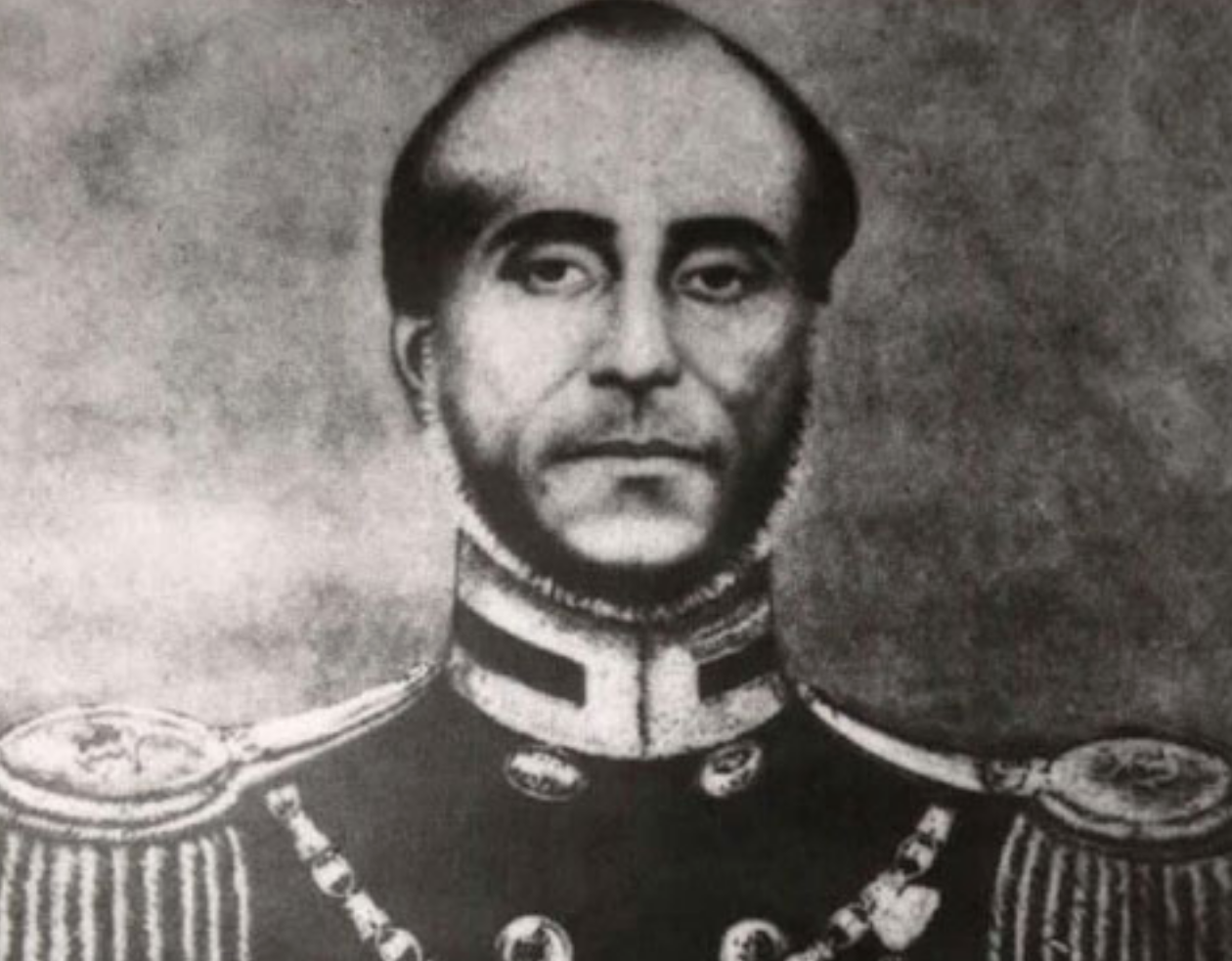
In 1846, Juan Maria Ferreira do Amaral was appointed Governor of Macau.
In a travel brochure from the colonial era, he was described as “one of the most distinguished governors.” Ferreira do Amaral was a captain in the Portuguese Navy near Bahia in Brazil, where he lost his right arm in service in 1823. After taking office as governor, the naval leader undertook a number
of wayward reforms. As Macau was experiencing a serious financial crisis, it legalized gambling, and
in 1847 the first gambling house licenses were issued.
Since then, the gambling tax has become Macau’s main revenue.
In addition, he declared Macau a free port to compensate for the trade losses caused by the establishment of Hong Kong as a newly opened free port in June 1841.
He wanted Macau to always be a part of Portugal, even though Macau was heavily dependent on India at the time.
He changed the situation and declared Macau a free port. He made border crossings with China.
He abolished taxes that China collected from Macau.
Not everyone liked such reforms and he was killed.
The last straw was that Amaral ordered the demolition of Chinese graves in order to develop the city’s infrastructure.
The Chinese in Macau opposed the colonial rule of Ferreira do Amaral, putting up advertisements on the streets of Guangzhou with an open offer of a bounty on his head. The enormous force he created not only crushed the Chinese, but also drove them into
a dead end. On August 22, 1849, he was assassinated by Shen Zhilang and six other Chinese at the border gate. His head and only arm were cut off and taken away as a reward. After several intense negotiations and a foreign
Ferreira do Amaral’s head and hand were stolen. In the end, he was returned to Macau in a basket of pigs, a gesture
of extreme contempt for the governor of the colony. Later, his dismembered body was brought back to Lisbon and finally interred in the Prazeres Cemetery (Cemetery of Pleasures).
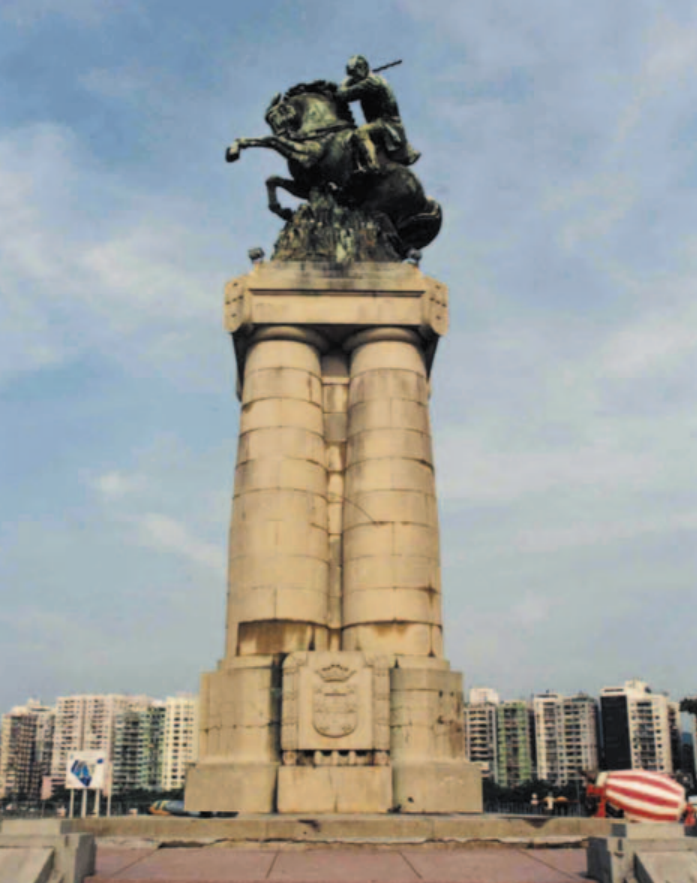
In 1940, a 5-ton bronze sculpture was made in honor of FERREIRA DO AMARAL.
It was installed on the square and at the Lisboa Hotel.
On October 28, 1992, the statue was removed, and later it ended up in Portugal.
Here’s an interesting note for you:
In 1849, the colonial authorities stopped paying rent payments, eliminated the Chinese customs and proclaimed the separation of the Territory from China. China retaliated: Governor Ferreira do Amaral was assassinated. In the same year, Portugal occupied Wanzhai Island to the west of the Macau Peninsula, but cleared it in 1887. In 1851 and 1864, the Portuguese annexed the islands of Taipa and Coloane to their possessions.
The Treaty of Tianjin in 1862 (after the loss of the 2nd Opium War) recognized Macau as a Portuguese colony, but China never ratified it. In 1887, the two countries signed the Lisbon Protocol, which confirmed the “permanent occupation and administration” of Macau by Portugal, and the latter pledged “never to alienate Macau and dependent territories without agreement with China.” Taipa and Coloán also ceded to Portugal, but the border on the continent was not agreed upon. The new Treaty of Trade and Friendship (1888) recognized Portuguese sovereignty over Macau, but China did not ratify it again. In 1890, fr. was annexed to the colony. Ilya-Verdi (Qingzhou), which in 1923 was connected to the Macao Peninsula as a result of the reconquest of land from the sea. In 1897, Macau was granted the status of a separate colony of Portugal.
.
Alex iurlov – your tour guide in Macau, Hong Kong and China!
+852 68553629 (WhatsApp, Telegram, Wechat)
Wechat id: iurlov
info@macau.su
75 total views, 2 views today