
- info@macau.su
- +852 68553629
How the territory of Macau has changed. Mega reclamation

How the territory of Macau has changed. Mega reclamation
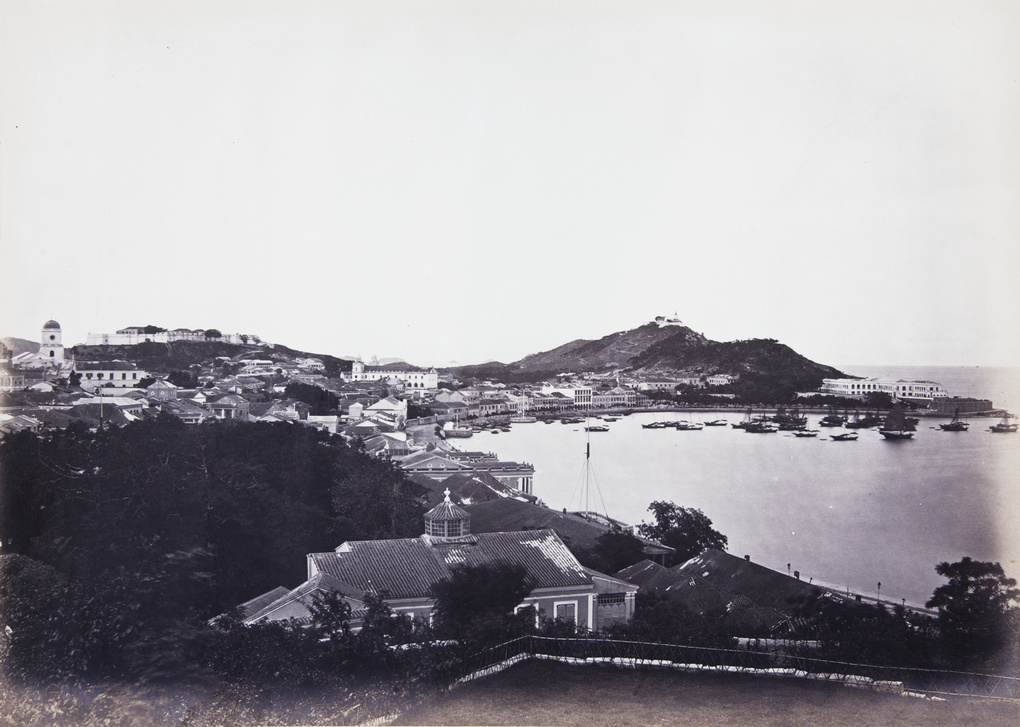
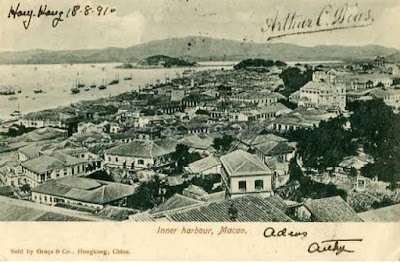
The photo shows a view of the Macau Peninsula in the 19th century.
This article consists of 5 parts – about the peninsula, the island of Verde and the 3 islands of Taipa Coloane. Let’s get started, let’s dive into the history of Macau!
1. Drainage of the Macau Peninsula.
By the time the Portuguese arrived (in 1513), the Macau Peninsula was only 5 km2 in area.
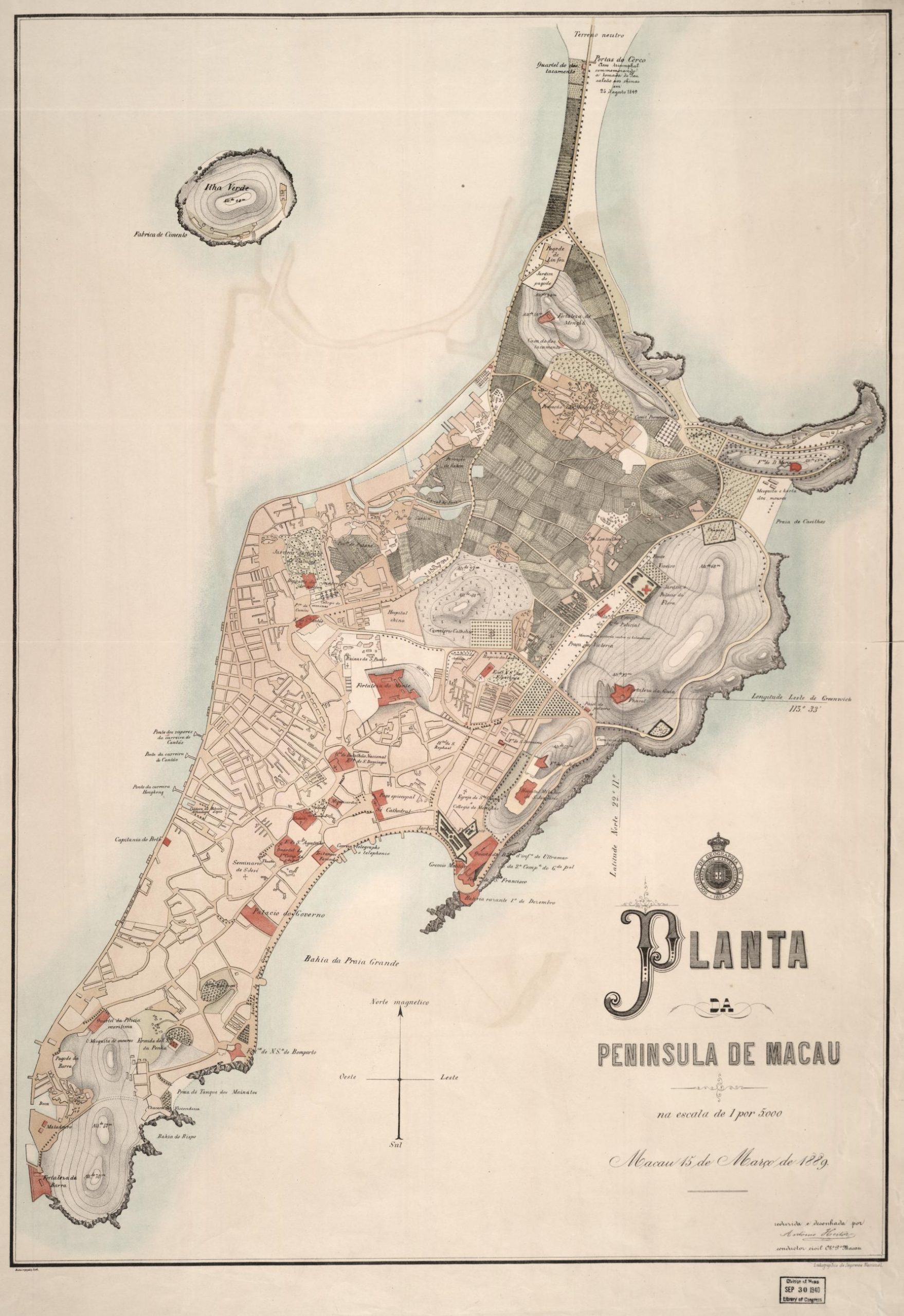
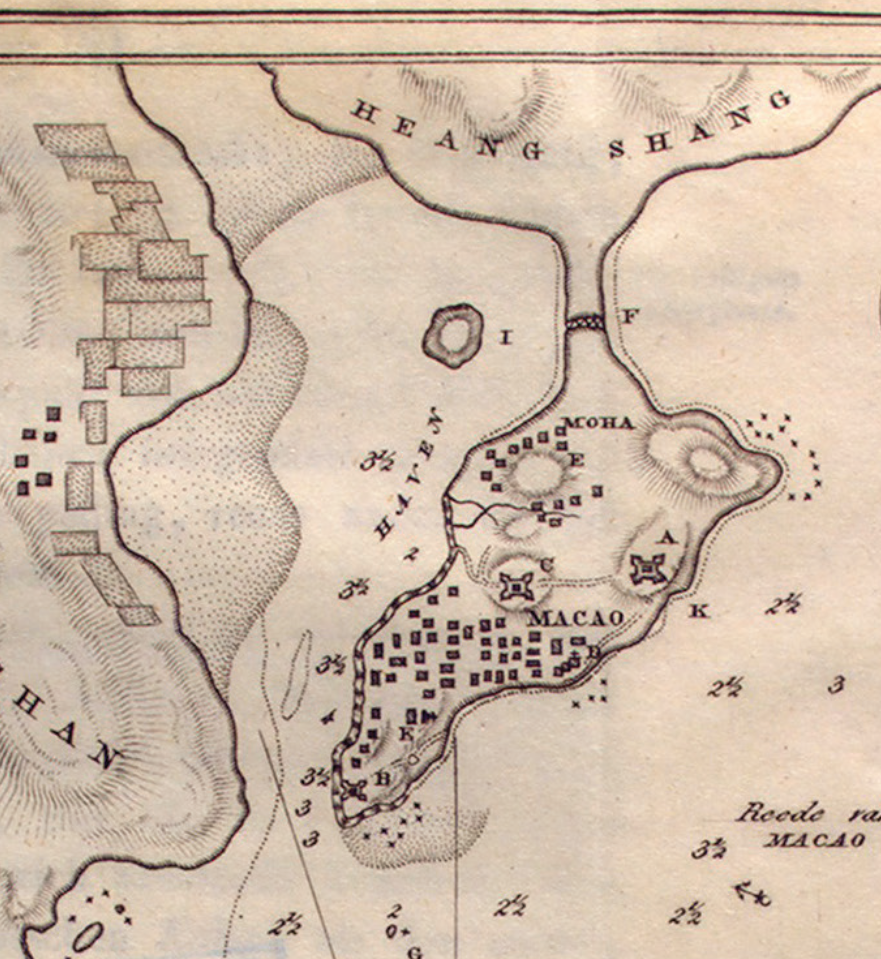
The first thing the Portuguese did was forts all over Macau (they came up with the name of the city), as well as protective walls and gates with guards (which were later demolished, except for the Border gate). And of the famous forts, Fort Monte and the fort at the Guia lighthouse remained.
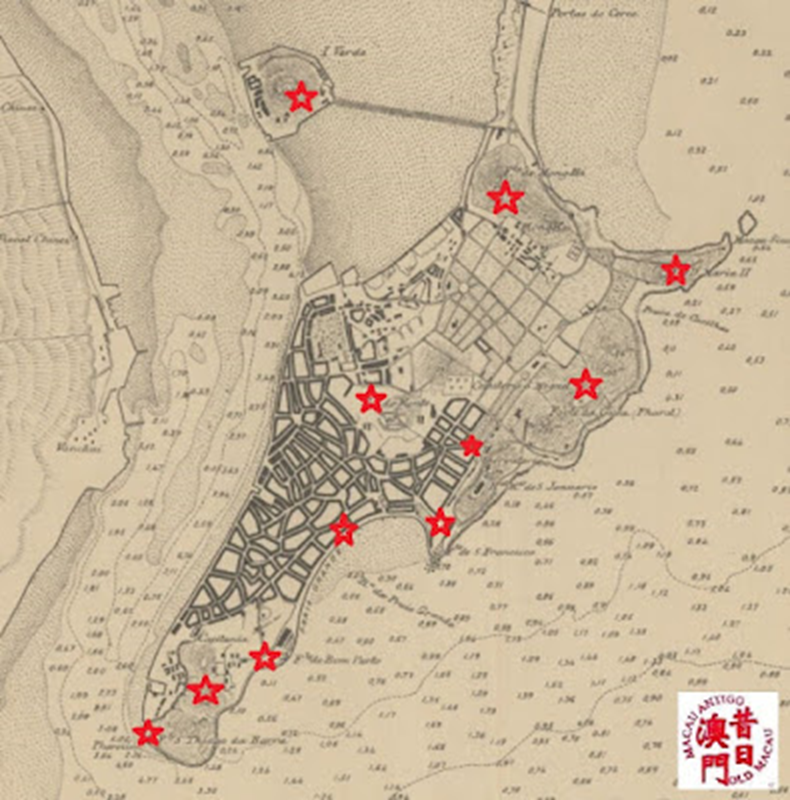
2.The small island of Ilha Verde was also an island (on the left on the map). Then a fort was built on the island.
Later, a road was built to the island.
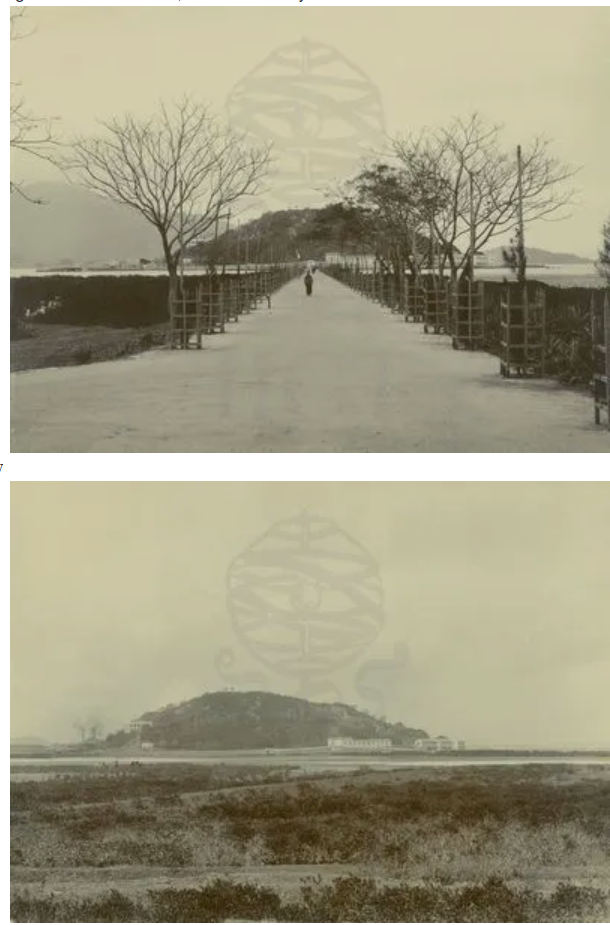
And then they all fell asleep. And Ilha Verde Island became part of the Macau Peninsula.
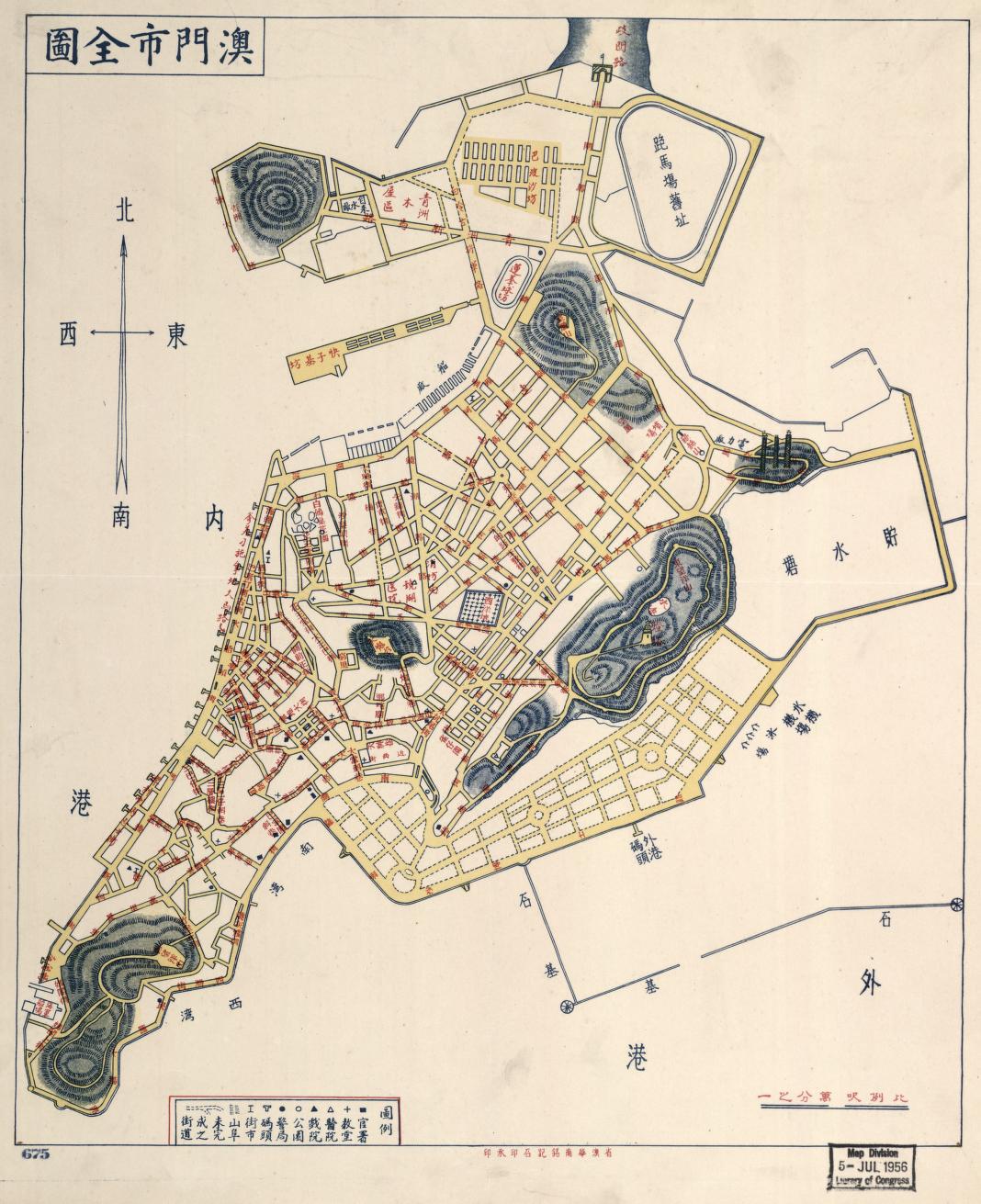
The whole movement to drain the semi-island began in the early 20th century.
But the most colossal scale of drainage began in the 1990s. The territory of Macau has more than tripled!
The Macau Maritime Museum presents an exhibition on how sand was washed from the day of the sea and loaded onto ships.
I took a special photo, superimposing the old peninsula and the new map.
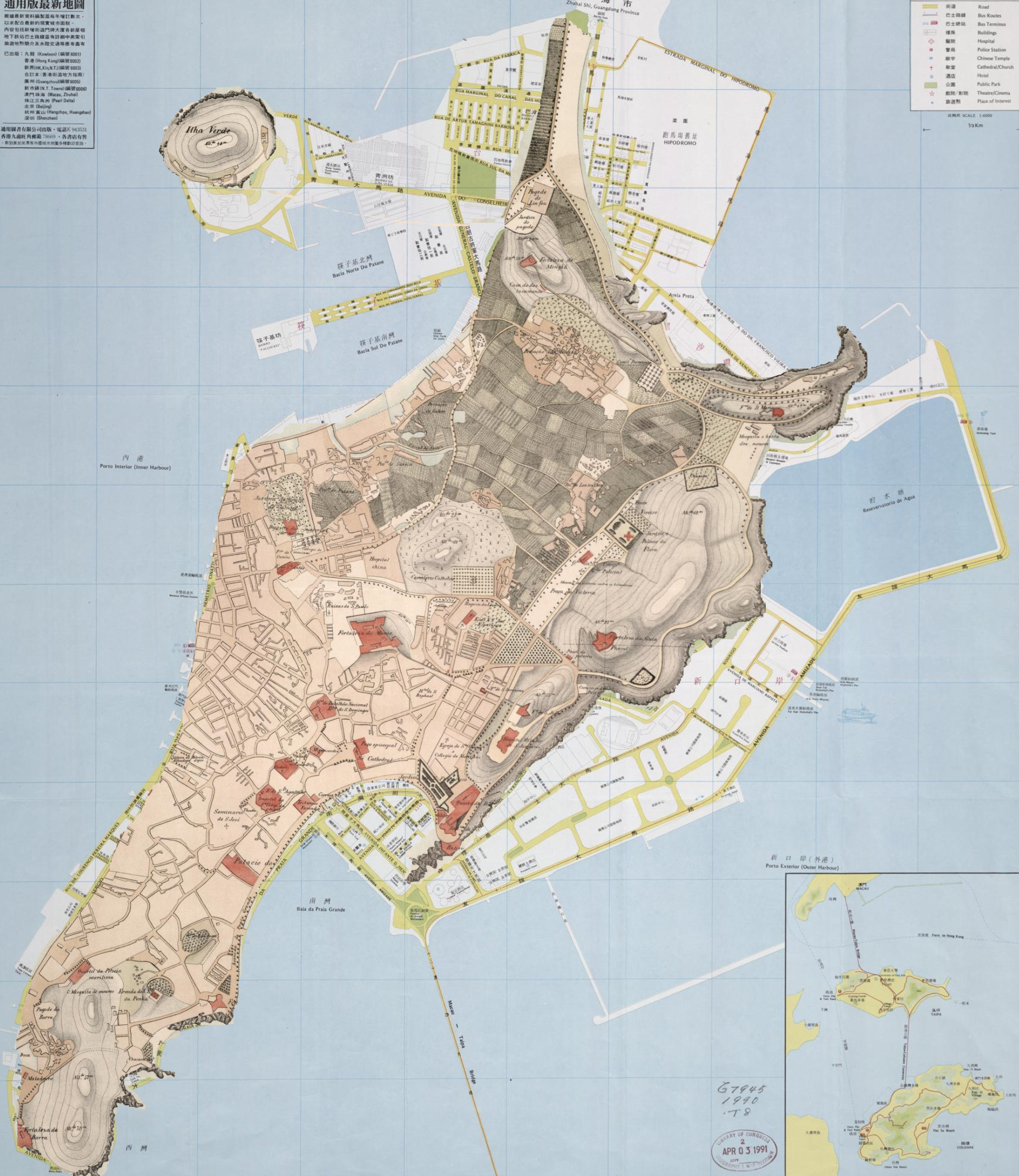
What do you think?
.
We smoothly move on to the second section of the article.
The Portuguese recognized two separate islands, Taipa and Coloane, as part of Macau.
3. Taipa Island
The Government of Macau took control of the island of Taipa in 1845 (under Governor Ferreira do Amaral)
In 1847, the Taipa fort was built.
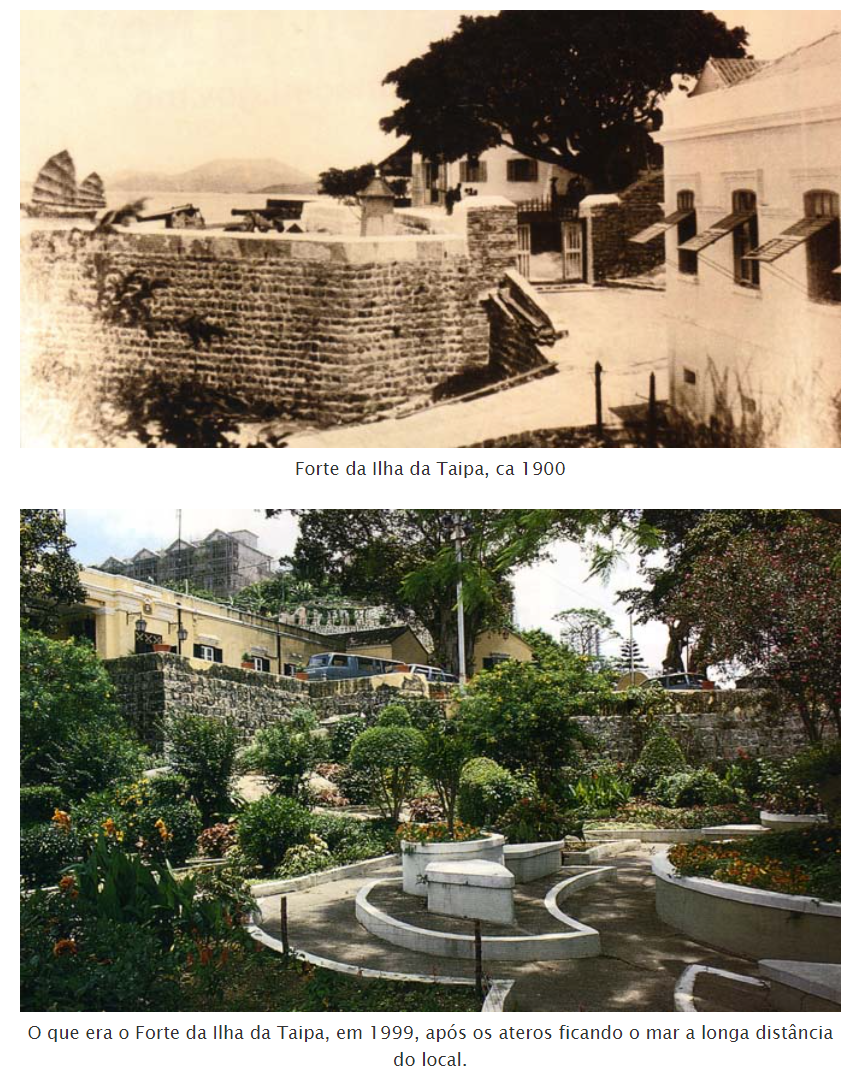
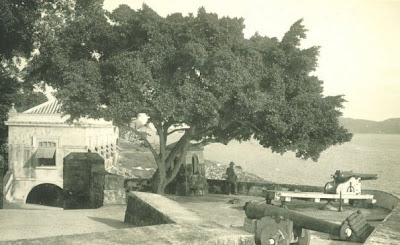
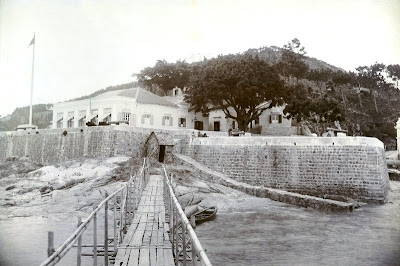
In 1872, the fort became the summer residence of the governor, and later a police station.
A post office, a school and the Church of Nossa Senhora do Carmo (1885) were built nearby
At that time, there were 2 islands – Taipa Grande and Taipa Pequena, pictured in 1912 below.
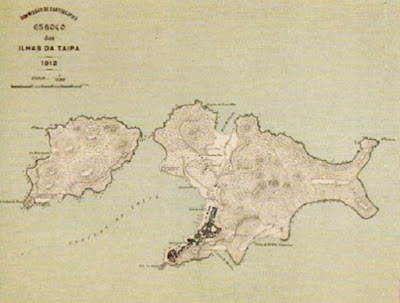
They were interconnected by the middle of the 20th century.
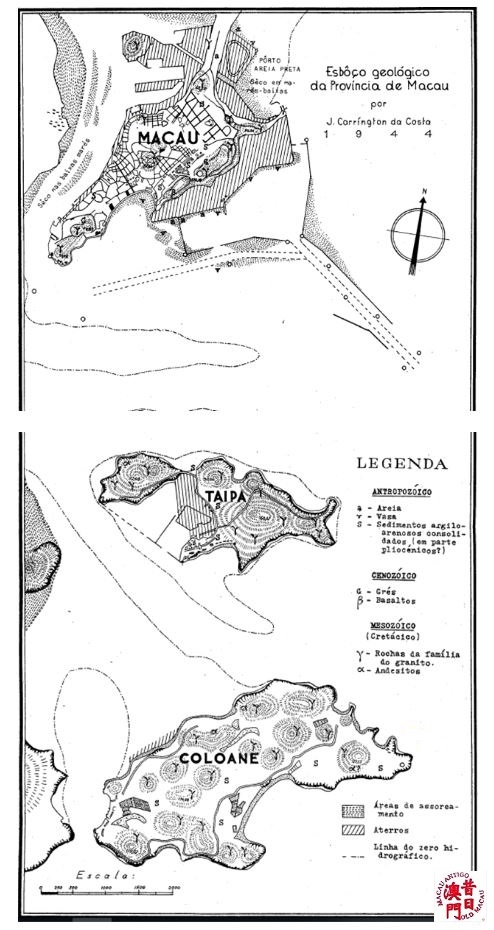
The world’s largest fireworks production facilities have been established on the island of Taipa since 1923.
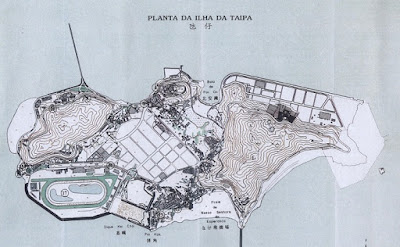
Taipa Island in 1941
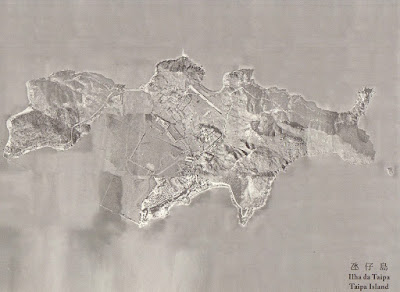
Taipa Island in 1991. They drained it decently.
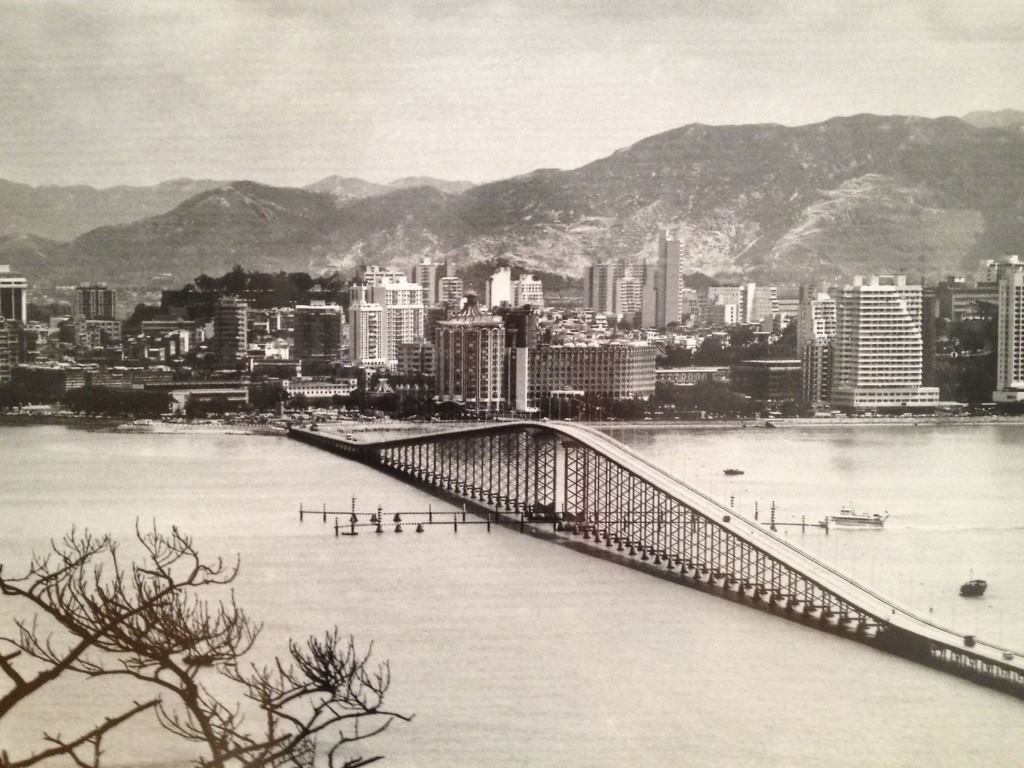
The first bridge between the Macau Peninsula and the island of Taipa was opened in 1974. Taipa Bridge 舊大橋 was facing the Lisboa Hotel.
Passage across the bridge cost from 3 to 20 patacas.
It was completely rebuilt in 2006.
This is the only bridge from Macau to Taipa that you can walk on now. The rest are all automotive.
.
4. Coloane island
The Portuguese name “Coloane” comes from the Cantonese pronunciation of the island Gwo Lou Waan, (перевод “Passing-road Ring”).
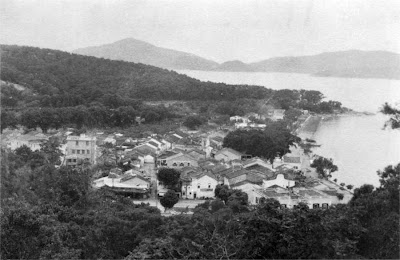
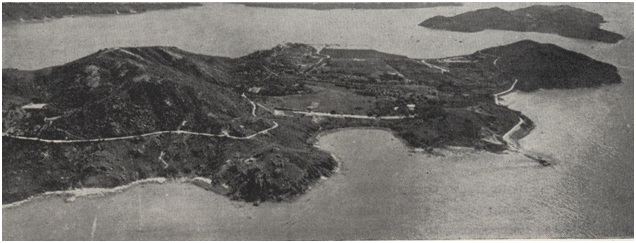
The island came under Portuguese rule after they helped the locals in an attack from pirates in 1910, on September 24.
But unofficially, the Portuguese occupied this territory in 1864.
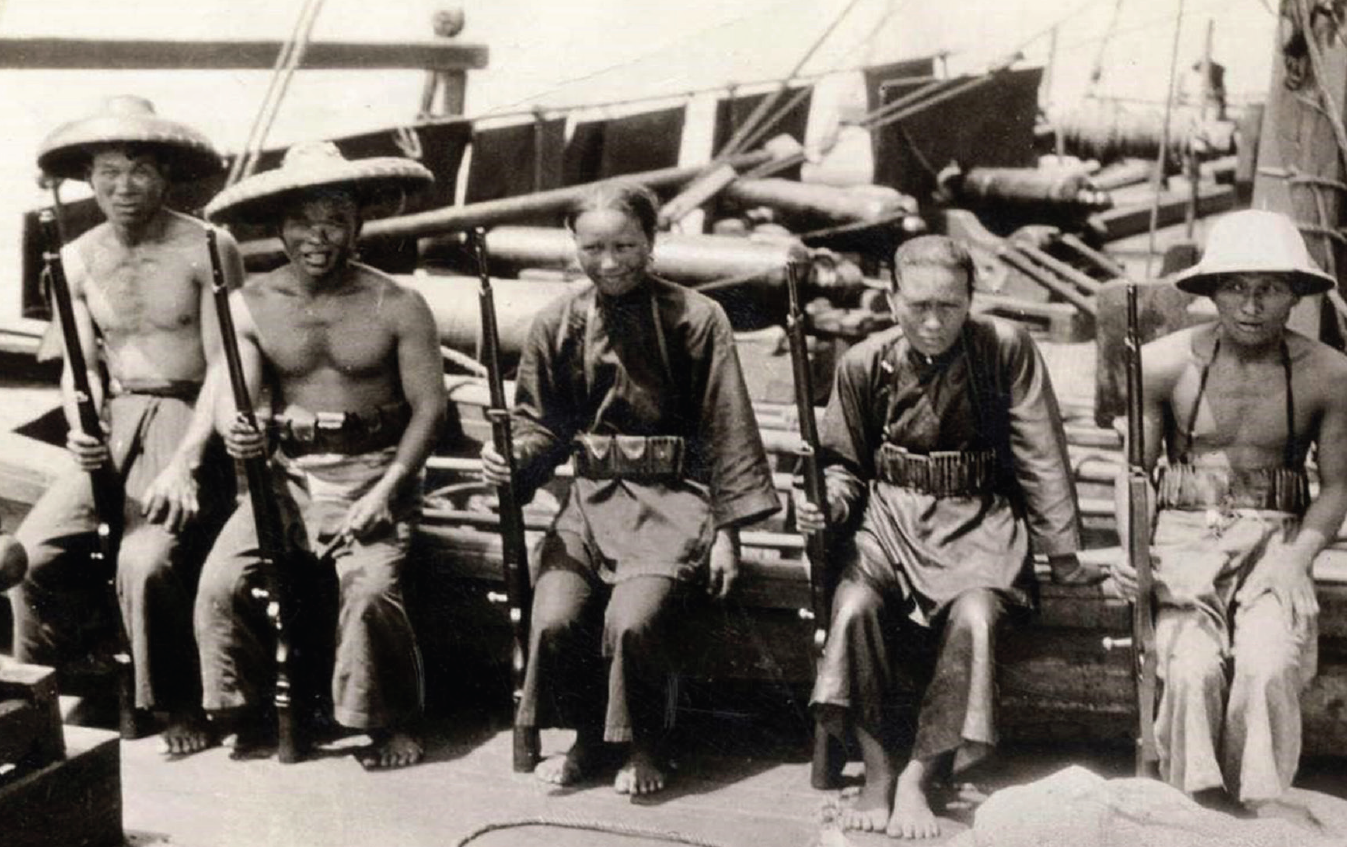
By the way, if you have any romantic fantasies about pirates, then this photo will smash them. This is what the Chinese pirates of the late 19th century looked like.
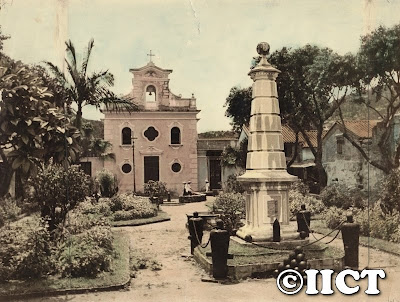
After the battle with the pirates in 1910, a memorial was built 2 years later.
.
5. The union of two islands.
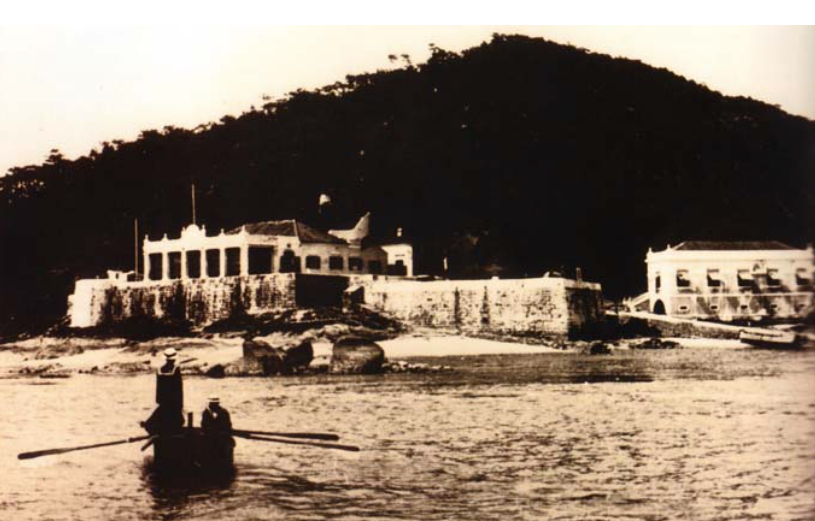
Previously, boats used to travel between the islands of Taipa and Coloane. The photo below shows the Fort in Taipa.
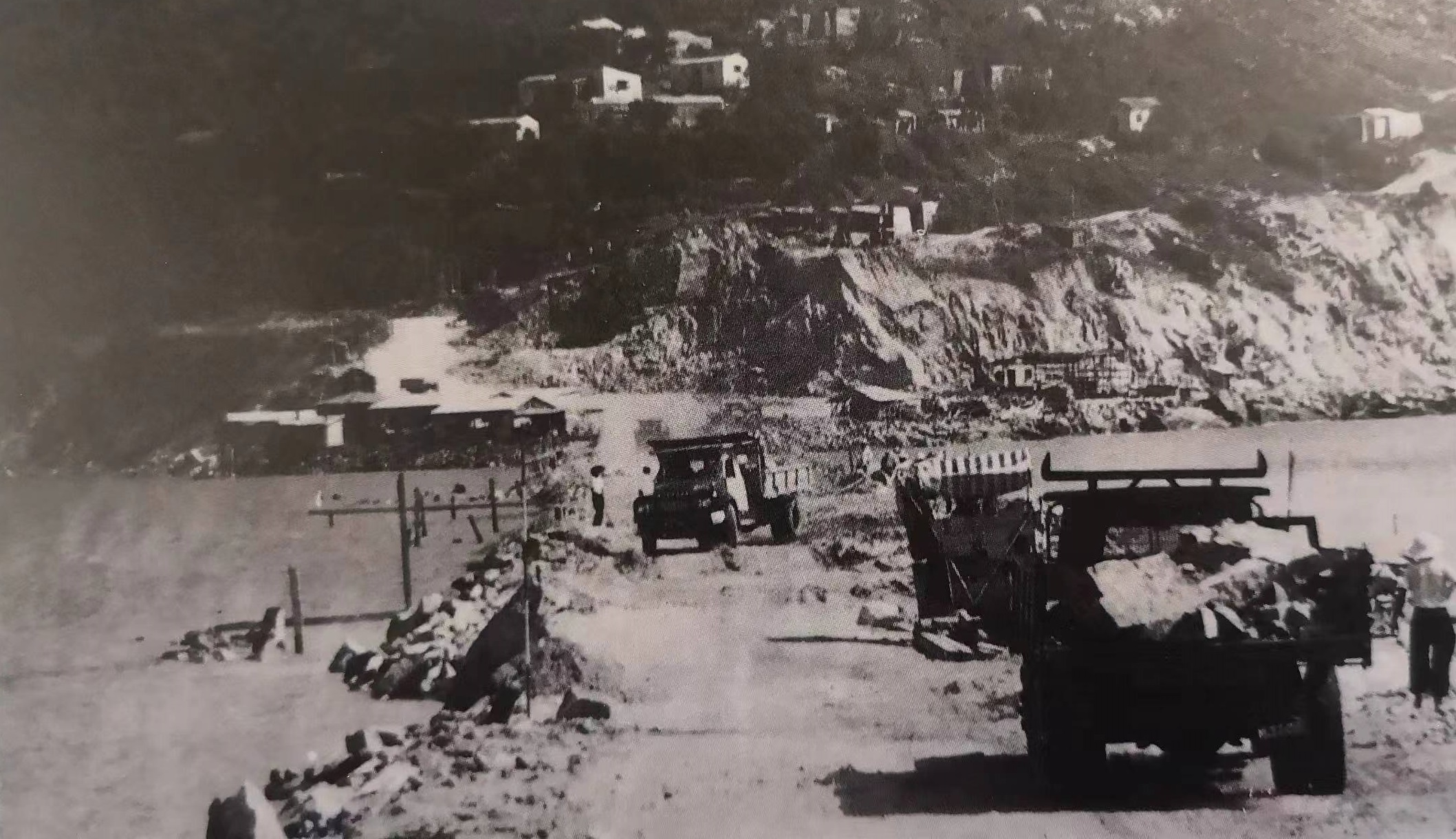
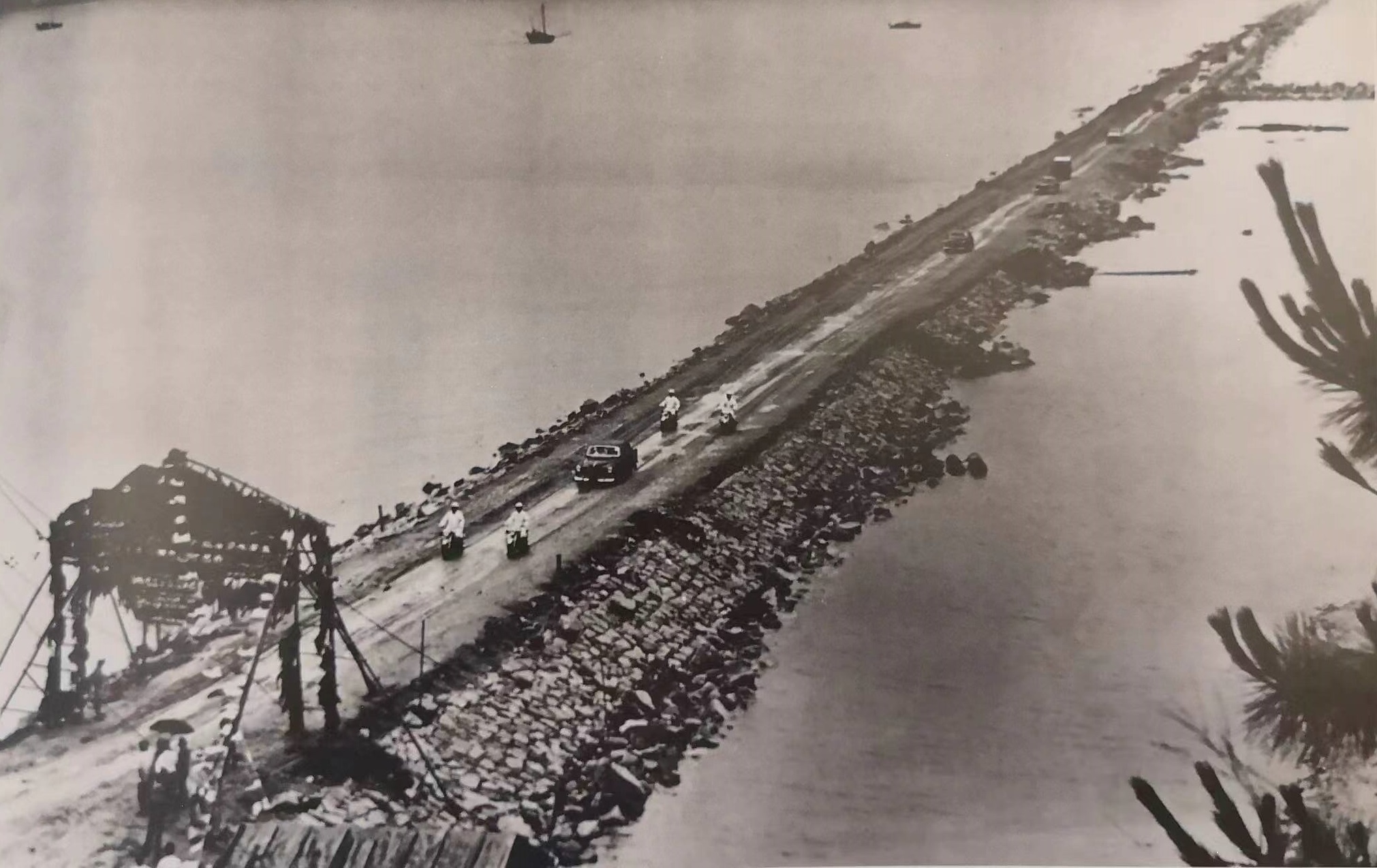
Then a road was built, known as the Cotai strip.
In 1968, the Kolan-Taipa highway was officially opened – Cotai strip.
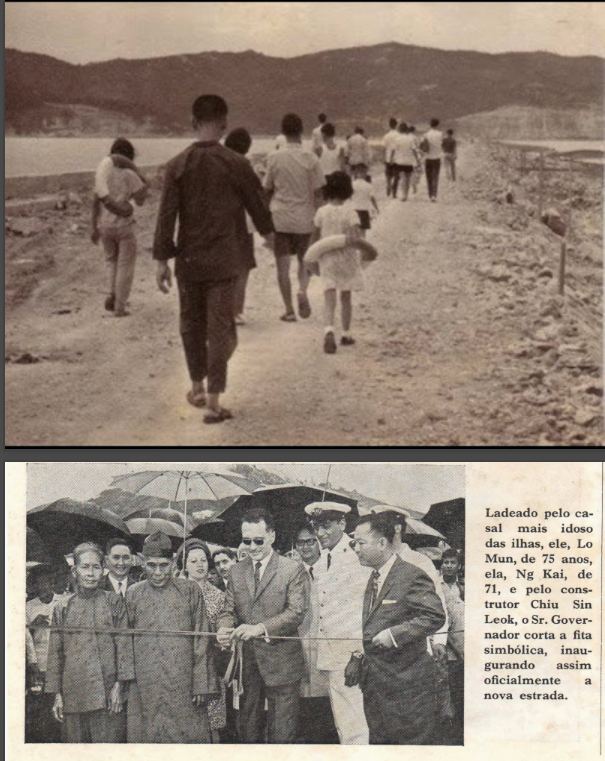
In the photo, the governor José Manuel de Sousa e Faria Nobre de Carvalho
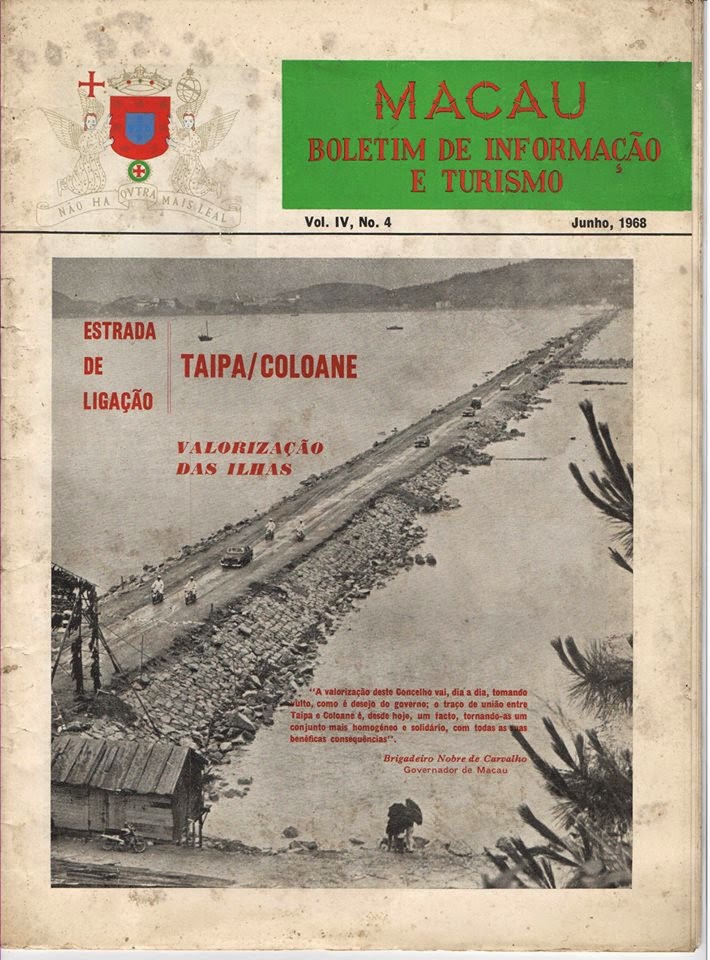
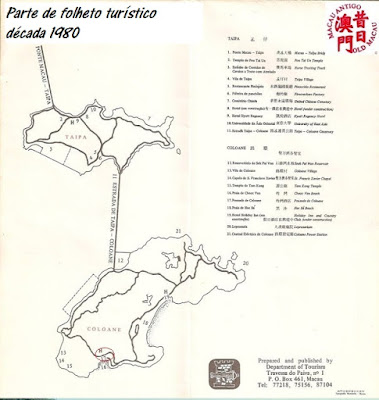
In the photo below, on the right, the Venetian Hotel is now located.
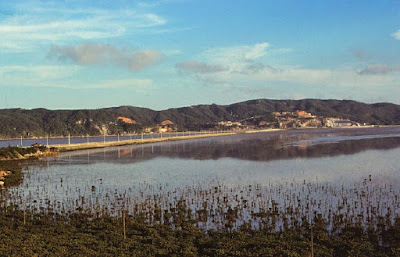
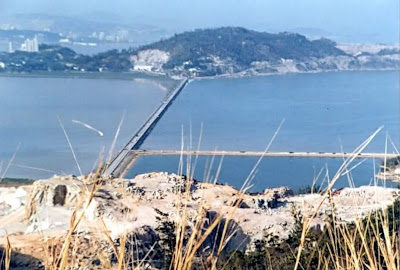
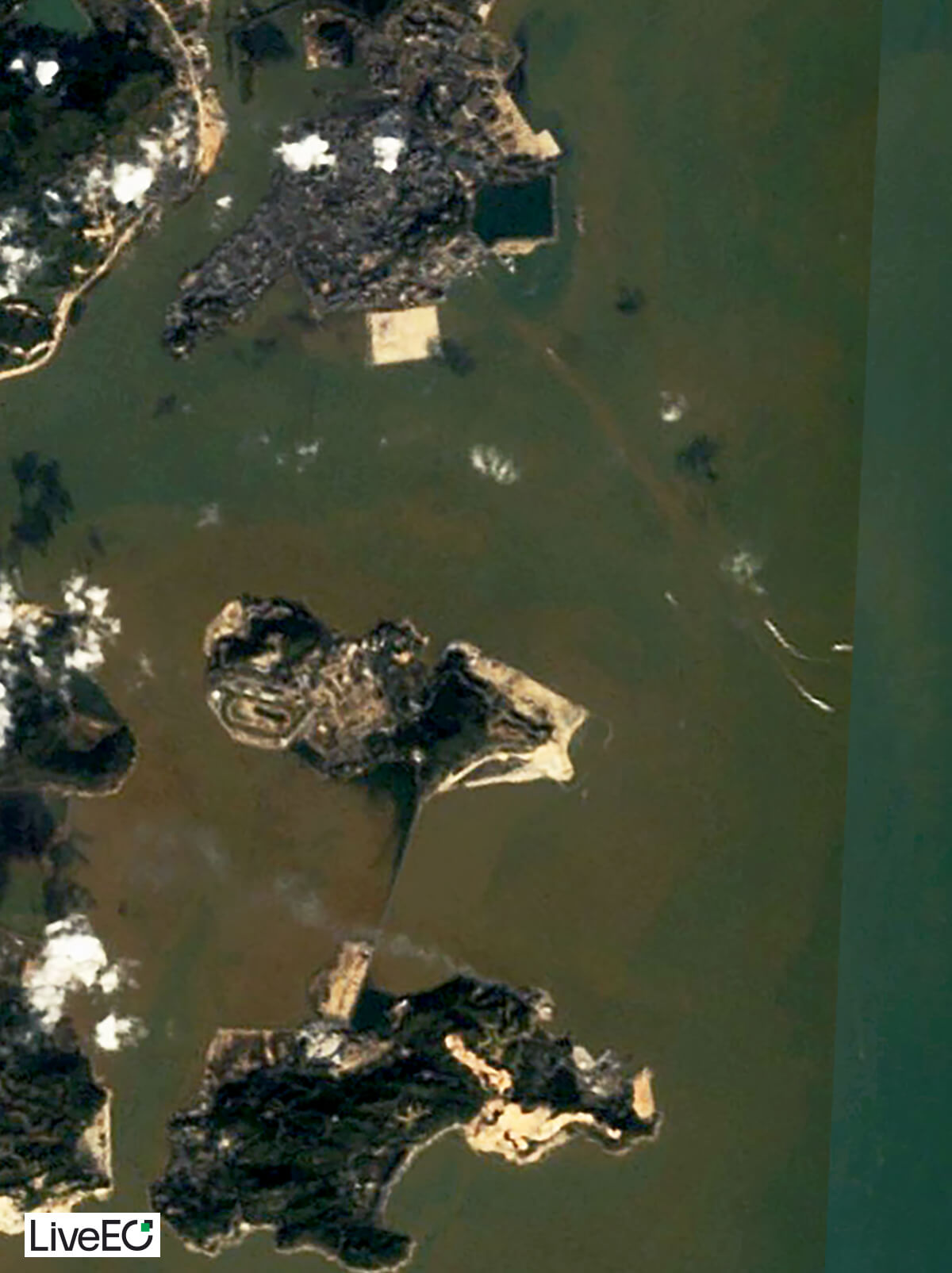
It wasn’t enough. To the left and right of the Cotai strip, the sea was covered with sand.
In the 1990s, the territory between the islands began to be filled in and named Cotai.
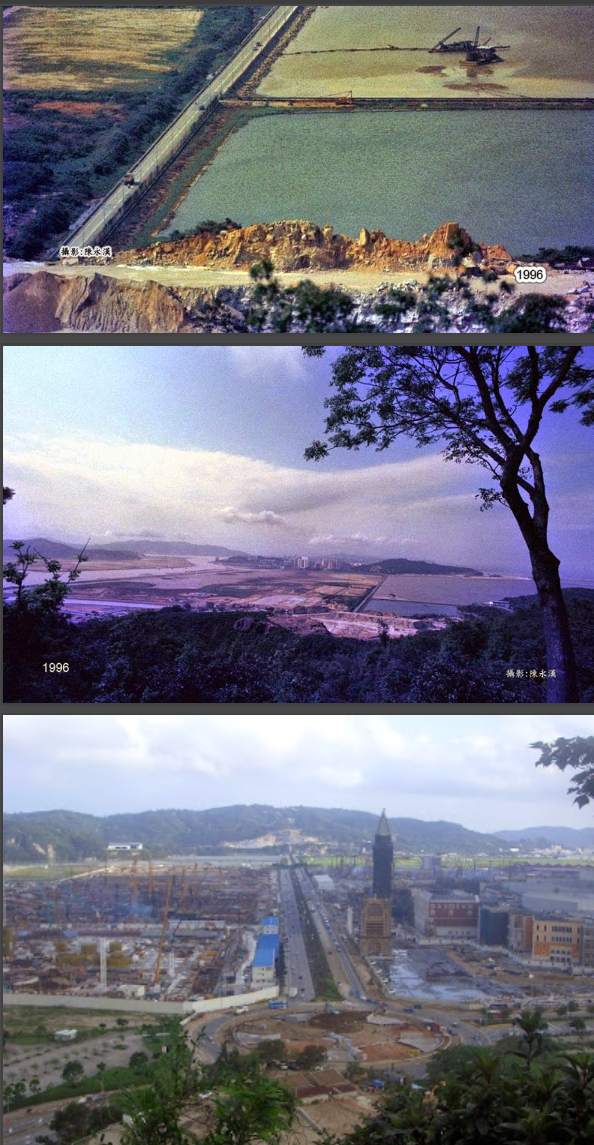
In the early 2000s, the construction of a new future casino district began. The photo above shows the Venetian Hotel being built.
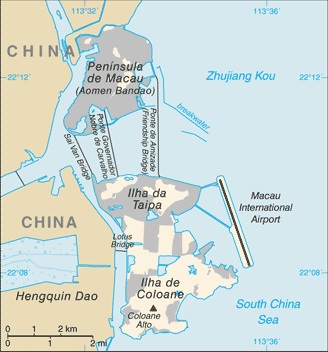
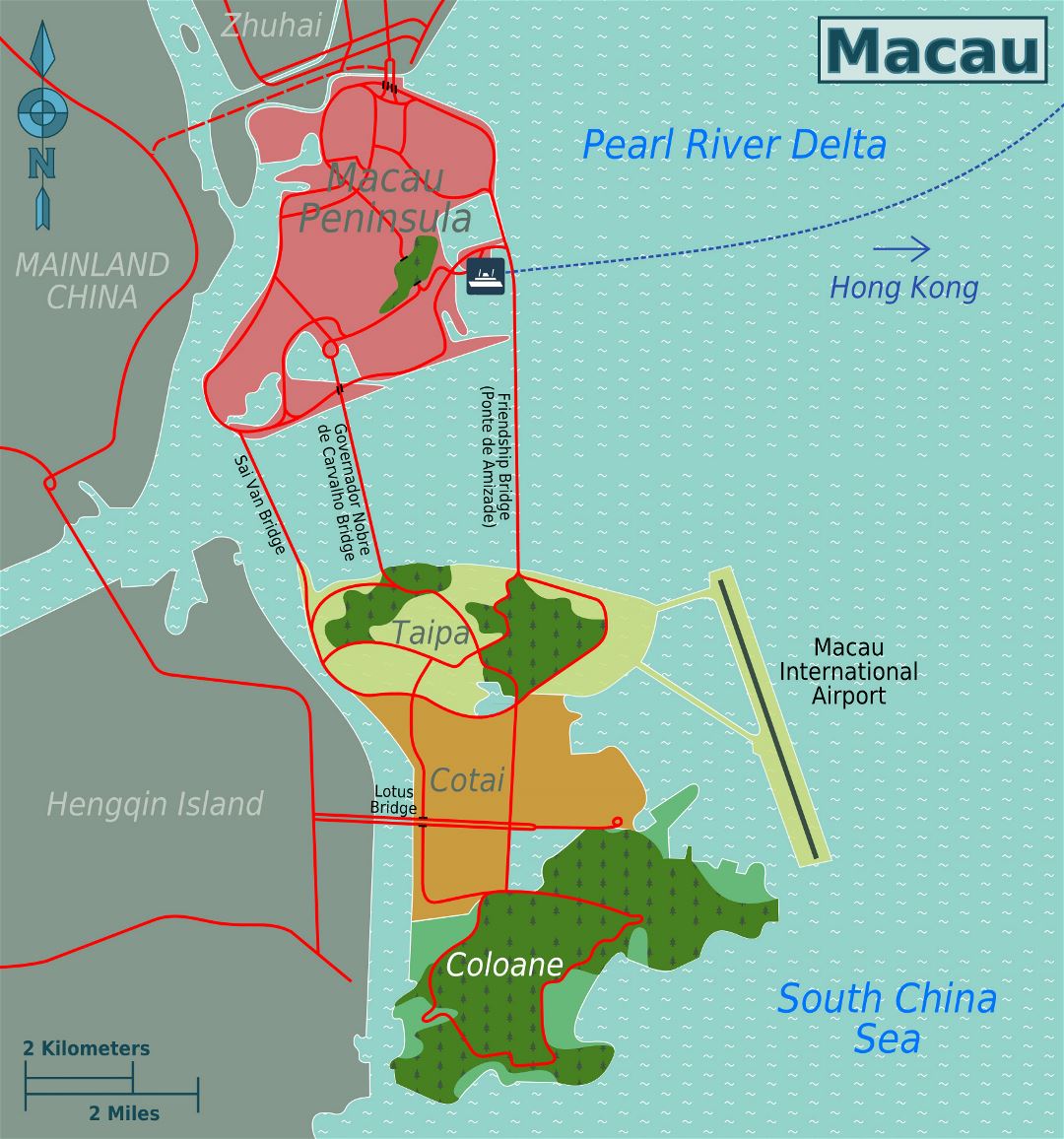
Later, the airport was built from scratch, in place of the sea (as in Hong Kong). Below is a map of Macau in the 2010s. Now the airport’s territory is much larger. Everything between the airport and the island of Taipa will soon be filled to 100 percent.
Here’s what I’ve learned so far.
Numerous resources and books helped me in this, which will be discussed in the next article – Books about Macau and online resources on the history of Macau, which will be released very soon, not in this, but in the official account of RussianShenzhen.
.
Alex iurlov – your tour guide in Macau, Hong Kong and China!
+852 68553629 (WhatsApp, Telegram, Wechat)
Wechat id: iurlov
info@macau.su
82 total views, 2 views today