
- info@macau.su
- +852 68553629
People of Macau
People of Macau
My love for Macau inspired me to write an interesting article about historical figures associated with Macau.
This work (topic) will be continued and significantly expanded. But you can read it now – read carefully and you will find the most interesting information about Macau!!!
.
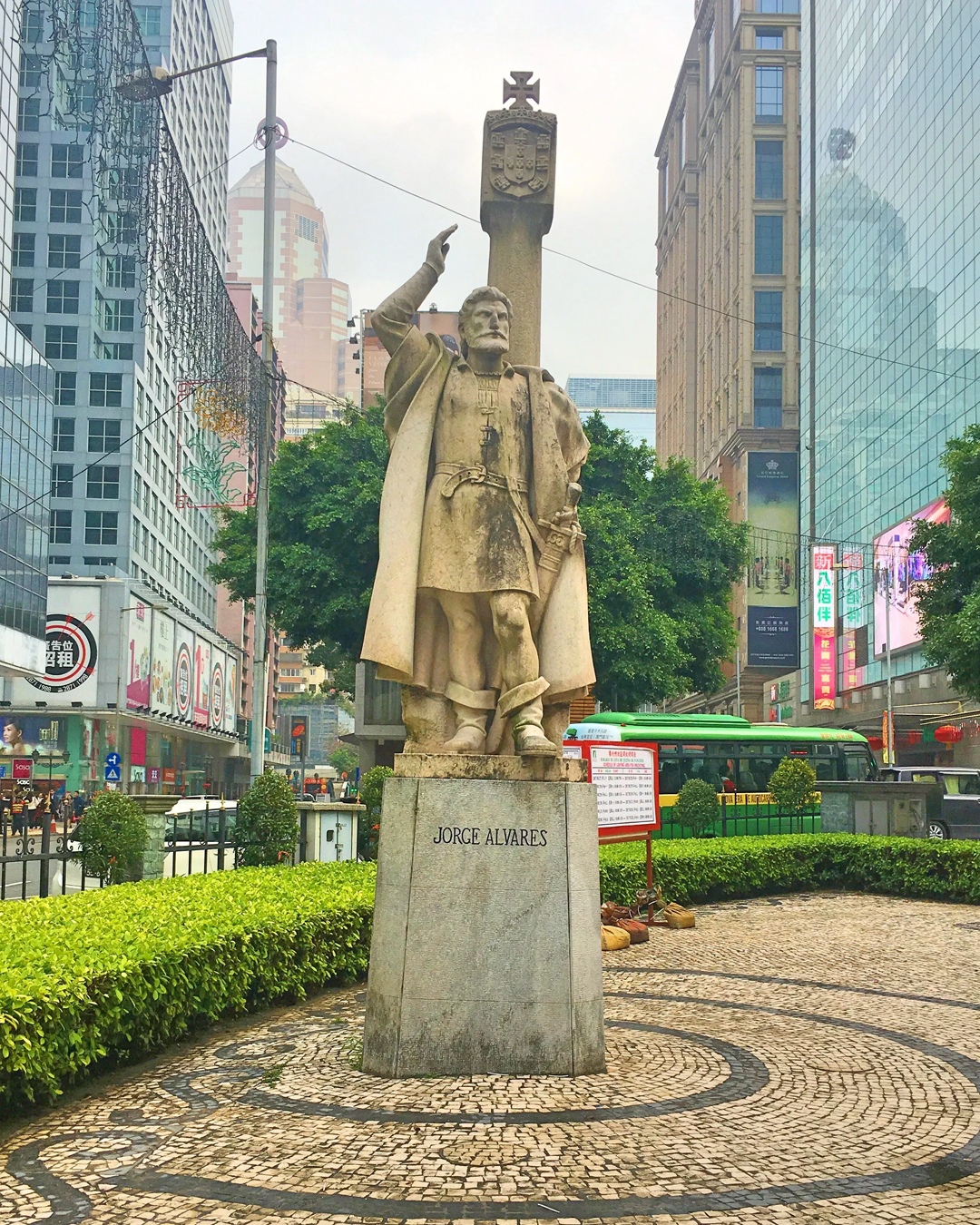
George Alvarez (1401-1521)
The first Portuguese navigator to reach the shores of Macau in 1513.
There is a monument in his honor in Macau.
.
Alessandro Valignano (1539 – 1606)
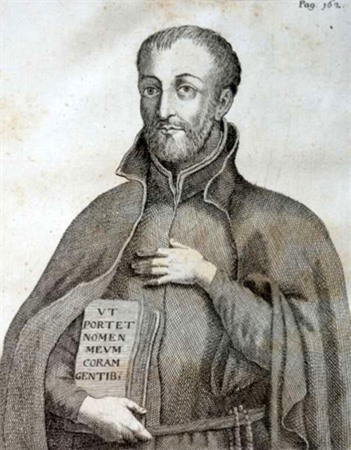
Since 1563, the Jesuits have been active in Macau. However, in the early years, the success of the missionaries in converting the Chinese to the Christian faith was very limited, because instead of learning Chinese themselves and “getting used to” Chinese culture, they wanted the Chinese to learn how to speak and live in Portuguese. Although missionaries sometimes visited the Chinese “mainland” outside Macau (mainly the port city of Guangzhou, where Portuguese from Macau were allowed to come for regular fairs), none of them managed to settle there for any long time. The fundamental turning point in this situation is connected with the name of the head of the Jesuits in the Far East, Alessandro Valignano, who, arriving in Macau in 1578, pointed out the need for the Jesuits in China to follow the example of their colleagues who worked in Japan and India, that is, to begin by mastering the spoken and written language of the country where they want to work.
At his request, the Jesuit Order sent talented priests Michele Ruggeri (1579) and Matteo Ricci (1582) to Macau, who seriously studied the Chinese language and were able to relocate inland to Zhaoqing in 1583.
From this humble beginning, the Jesuit organization in China grew, the base for which Macau remained for more than two centuries.
Gradually, the Portuguese began to expand their possessions. In 1582, the first land lease agreement was signed with the neighboring Chinese county of Xiangshan (now Zhongshan). In 1586, Macau received the rights of urban self-government. The Dutch attacks forced the Portuguese authorities to build a fortress without asking Chinese permission. It was not until 1670 that the Chinese authorities recognized the city.
In 1685, China officially recognized Macau as a port for foreign trade, but continued to assert its sovereignty by charging land fees and customs duties.
.
Matteo Ricci (1552-1610)
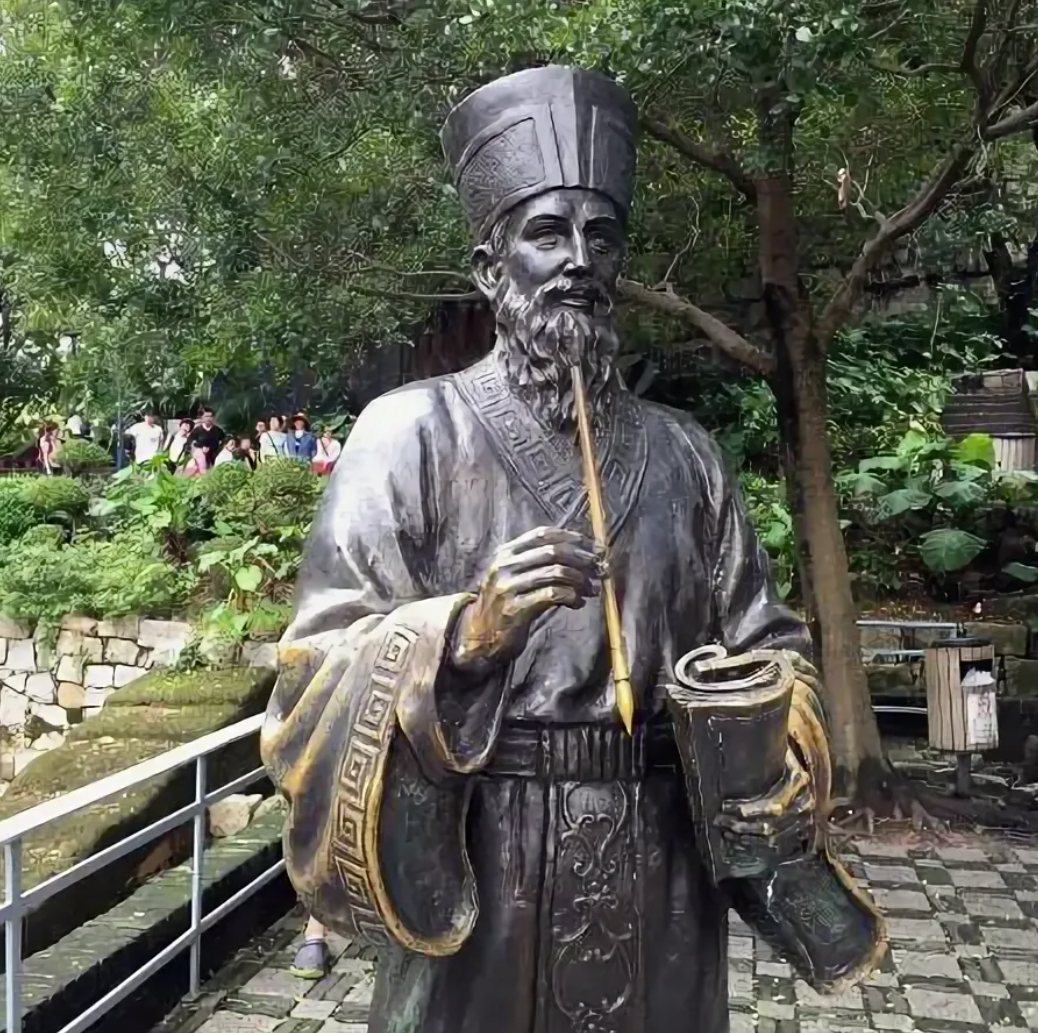
An Italian Jesuit missionary, mathematician, astronomer, cartographer and translator, who spent the last thirty years of his life in China, marking the beginning of the Jesuit mission in Beijing. The world-historical significance of his work lies in the establishment of permanent cultural contacts between Christian Europe and the closed Chinese society.
Having arrived in Macau, unlike his predecessors, Ricci tried not so much to preach the Holy Scriptures from a position of omniscience and superiority, as to attract the Chinese to his side with scholarship and humanism, not to seem like a stranger to them. To this end, he wore the garb of a Buddhist monk, which he later changed to the garb of a Confucian scholar (when it became clear that the image of a Buddhist monk was associated with vagrancy rather than education among local intellectuals). Later, he had a meteoric success, entering the entourage of power in Beijing.
There is a sculpture in his honor, which is located to the right of the Ruins of St. Paul.
There is a Matteo Ricci College in Macau.
.
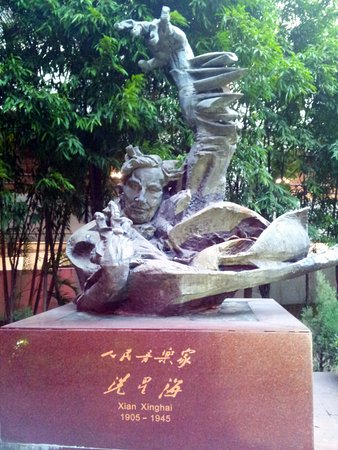
Xian Xinghai (1905 – 1945)
Famous Chinese composer
There is a monument in his honor in Macau.
.
Sir Robert Ho Tung (1862 – 1956)
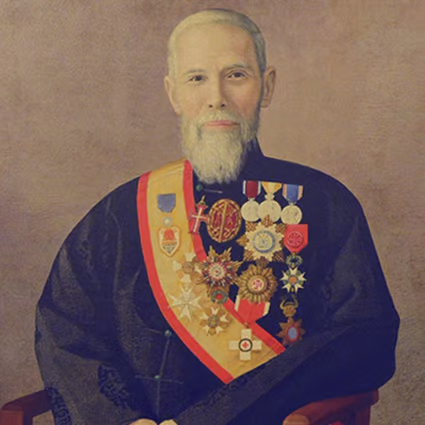
The influential entrepreneur and philanthropist of British Hong Kong, Knight of the Order of the British Empire, was known as the “great elder of Hong Kong.” He owned real estate at Victoria Peak, in the most prestigious area of Hong Kong’s nobility.
The founder of an extensive business clan, which still plays a major role in the economy of Hong Kong and Macau.
Macau has the Sir Robert Ho Tung Library, housed in the mansion he lived in during the Japanese occupation of Hong Kong.
Vasco Da Gama (1460-1524)
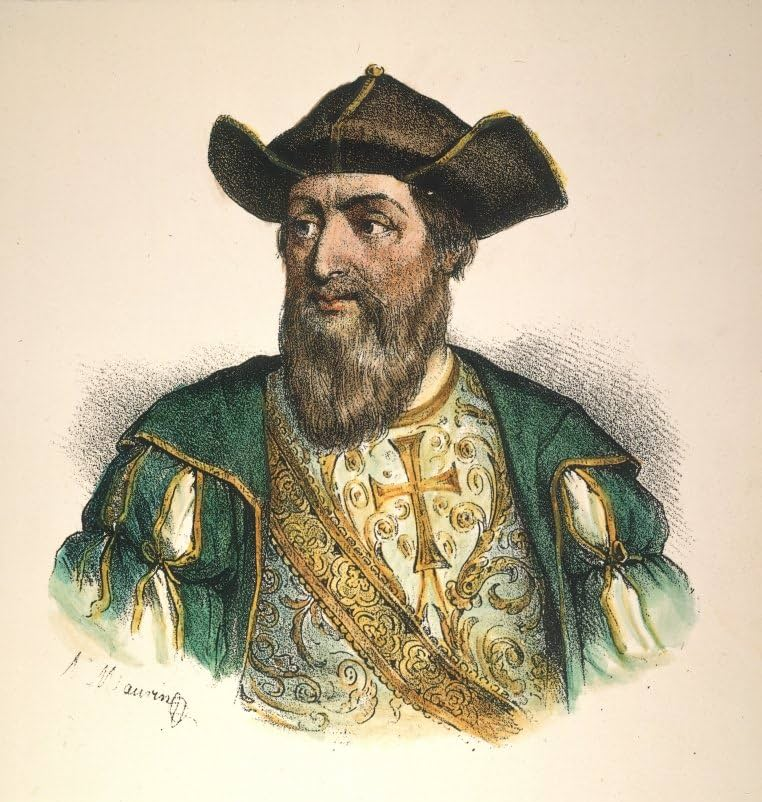
Portuguese navigator, the first to reach India by sea.
There is a Vasco Da gama garden in his honor.
In the garden there is a bust of the Portuguese navigator, created in 1911.
.
Luís de Camões (1524-1580)
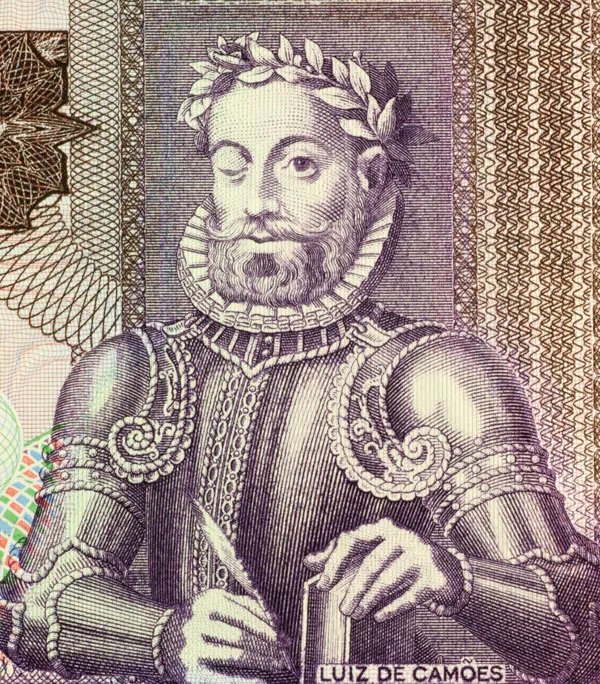
The famous Portuguese poet. There is a garden in Macau in his honor.
He was appointed Superintendent of the Dead and Missing in Macau in 1562, holding the position de facto from 1563 to 1564 or 1565. At that time, Macau was still an emerging trading post and almost uninhabited. Tradition has it that there he wrote part of “Os Luciadas” in a cave that was later named after him.
.
Camilo Pessanha (род 1867)
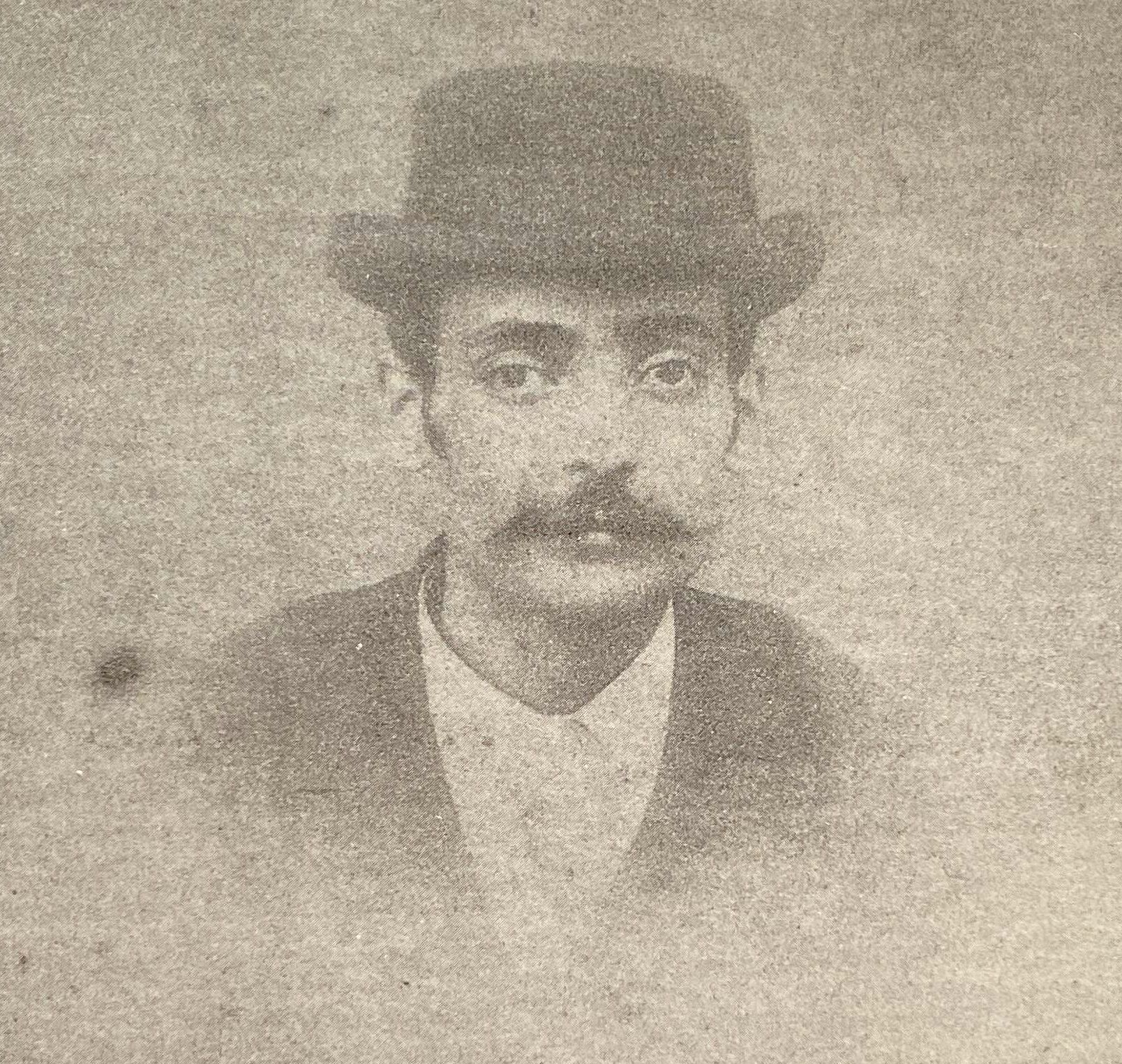
The Portuguese poet who lived in Macau
.
Deolinda da Conceição (род 1913)
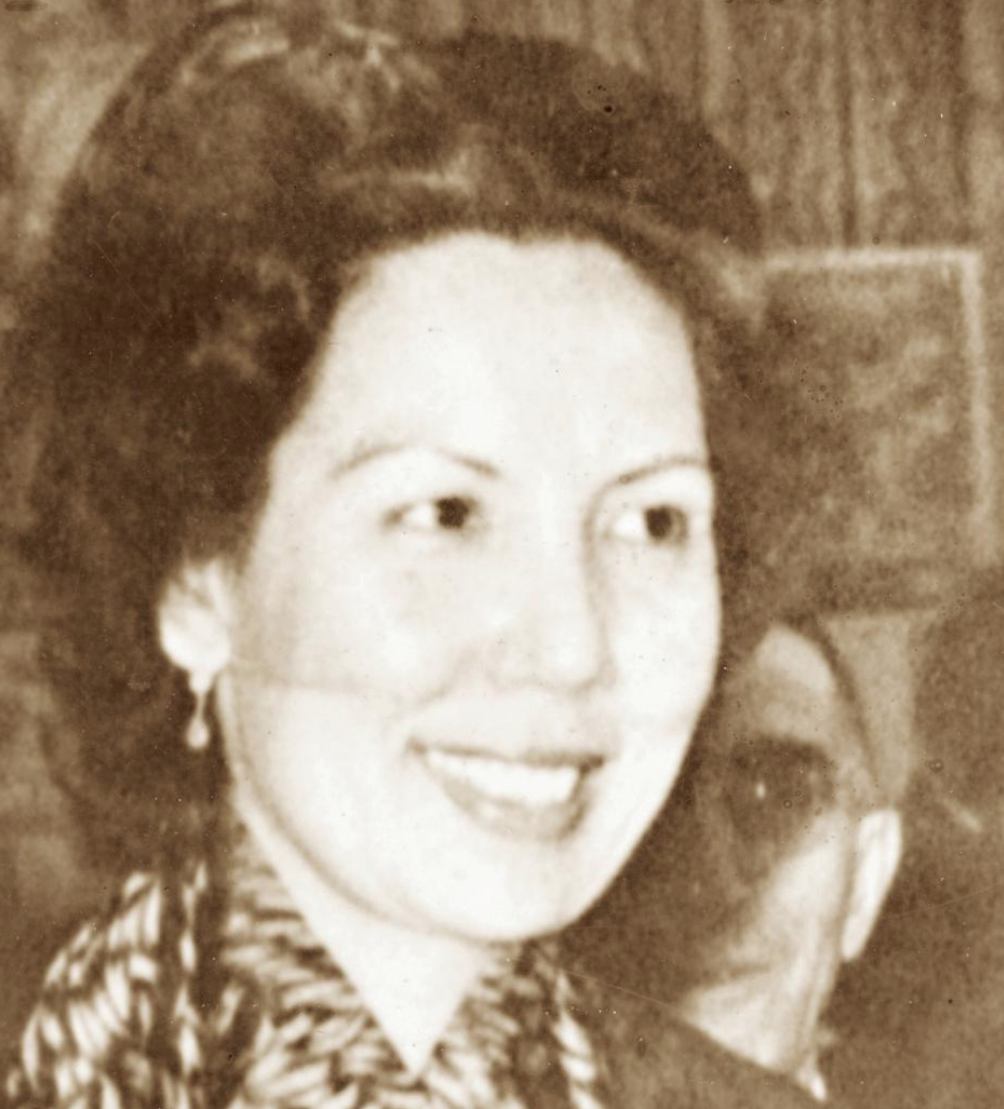
A famous writer in Macau in the 20th century.
.
JOSÉ INOCÊNCIO DOS SANTOS FERREIRA AKA “ADÉ” (1919–1993)
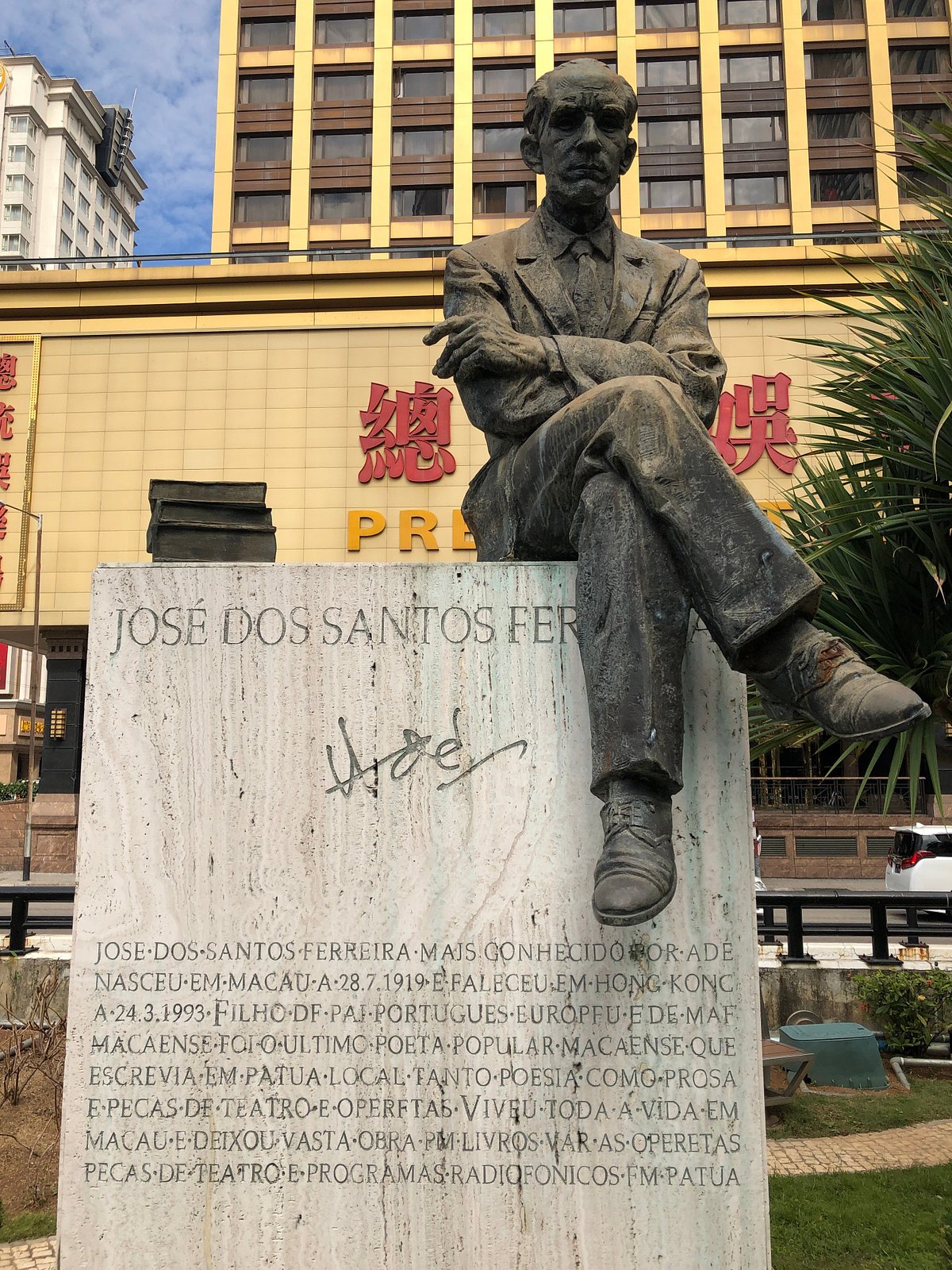
Another famous writer and poet in Macau.
Apparently Macau really inspired people, even before!
.
Lou Kau
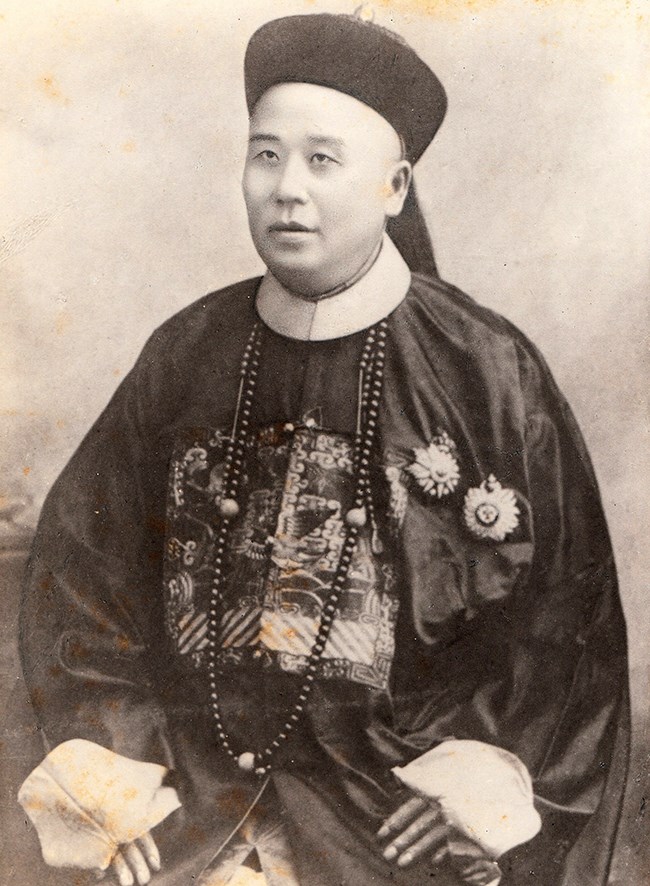
An outstanding Chinese merchant who owned a large property in the city
In his honor, there is a House museum of the Lou family Lou Kau Mansion Macau (built in 1889)
The style is almost one-on-one like the Mandarin house (more on it below).
.
Zheng Guanying (1842–1922)
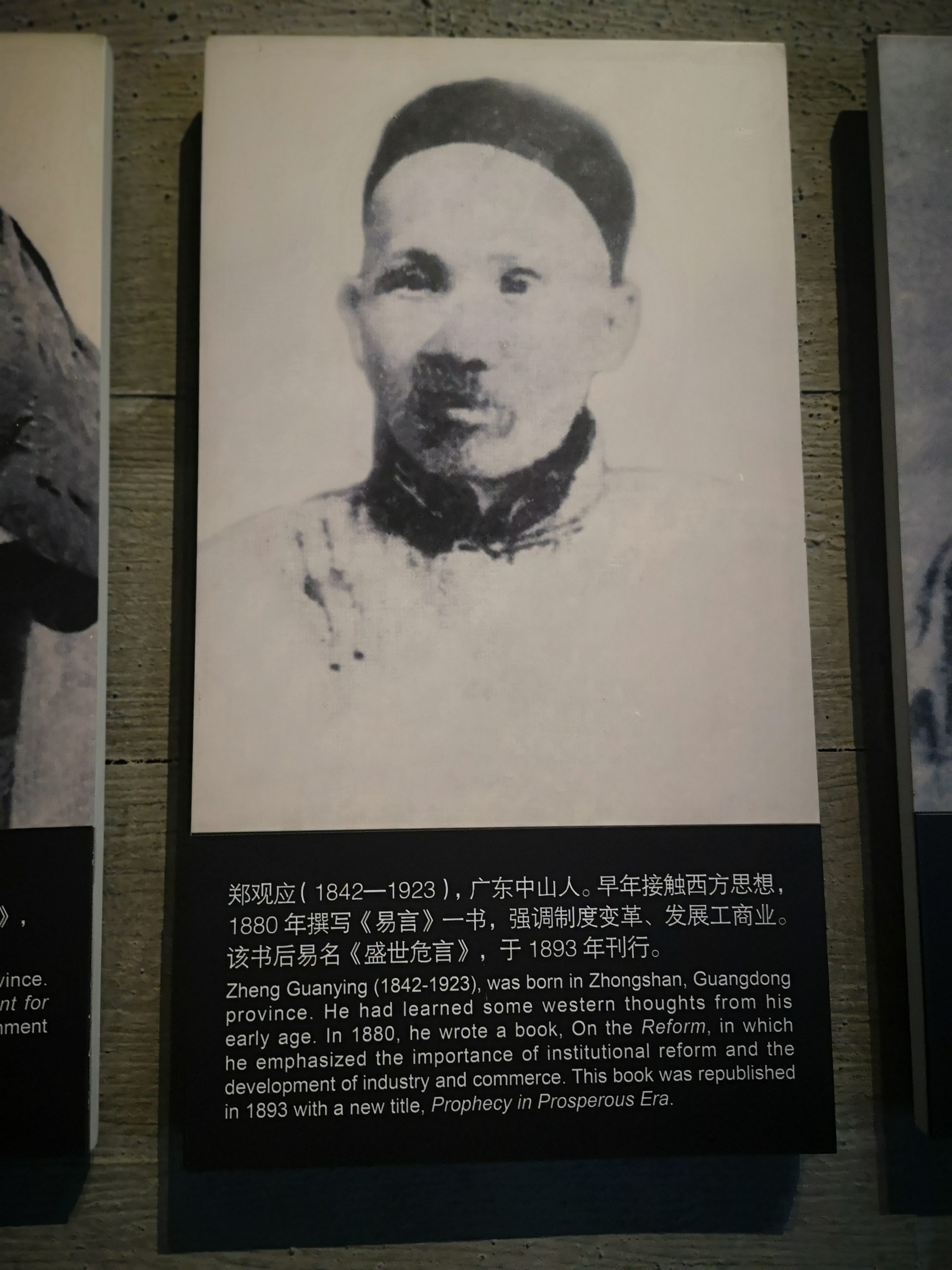
Famous entrepreneur, owner of Mandarin house in Macau. He was born in Junshan, Guangdong Province. In his early years, he was already involved in business. He then followed Minister Li Hongzhang to Shanghai, where he made himself a successful businessman.
He was the General Director of the Shanghai Telegram Bureau, the China Merchant Steamship Company and the Yue-Han Railway Company. As an active reformer, he inspired the future generation. One of his famous works is Shengshi Weiyan.
There is a Mandarin House museum in his honor.
.
Kou Ho Neng (1878–1955)
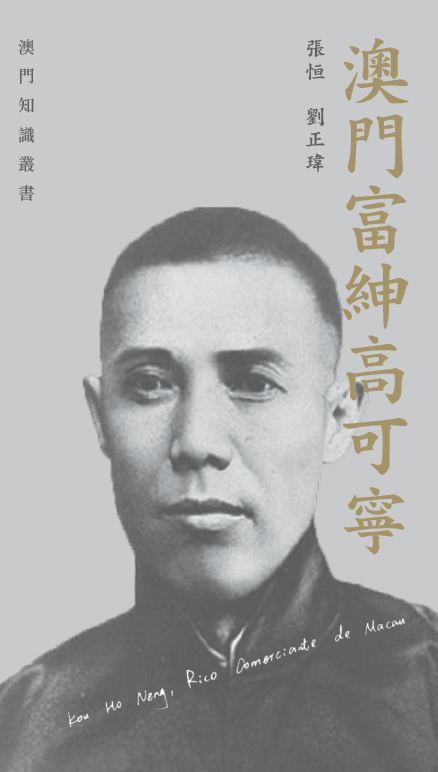
King of the Lambards in Macau
He has the Kou Ho Neng Mansion, next to Senado Square.
.
Sun Yat-Sen 孙中山 (1866-1925)
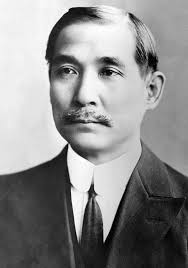
The most famous Chinese figure, lived in Macau in the 20th century.
A street is named after him, and there is also a Song Yat Sen house museum.
.
Dr. Carlos d’Assumpção
In Macau have Dr. Carlos d’Assumpção Park Square
I haven’t been able to find any information about the doctor himself on the Internet yet. Most likely Portuguese and info in Portuguese.
.
VISCOUNT JANUÁRIO CORREIA DE ALMEIDA (1829–1901)
He was born in Portugal. He was Governor of Macau from 1872 to 1874.
A hospital in Macau is named after him.
.
FERREIRA DO AMARAL (1803–1849) More info HERE
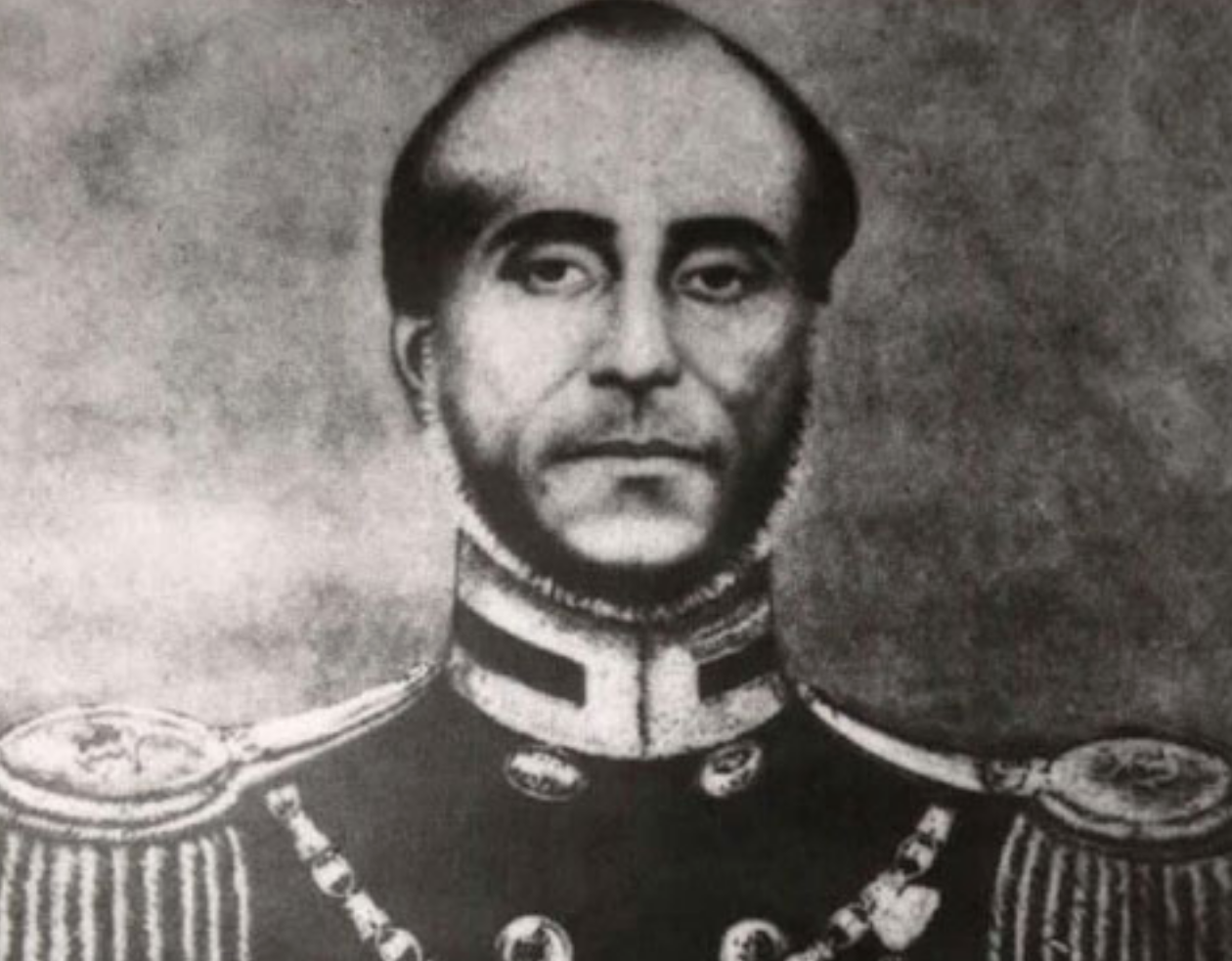
The Governor of Macau. He wanted Macau to always be a part of Portugal, even though Macau was heavily dependent on India at the time.
He changed the situation and declared Macau a free port. He made border crossings with China.
He abolished taxes that China collected from Macau.
Not everyone liked such reforms and he was killed.
.
ANTÓNIO ALEXANDRINO DE MELO, BARON OF CERCAL (1837–1885)
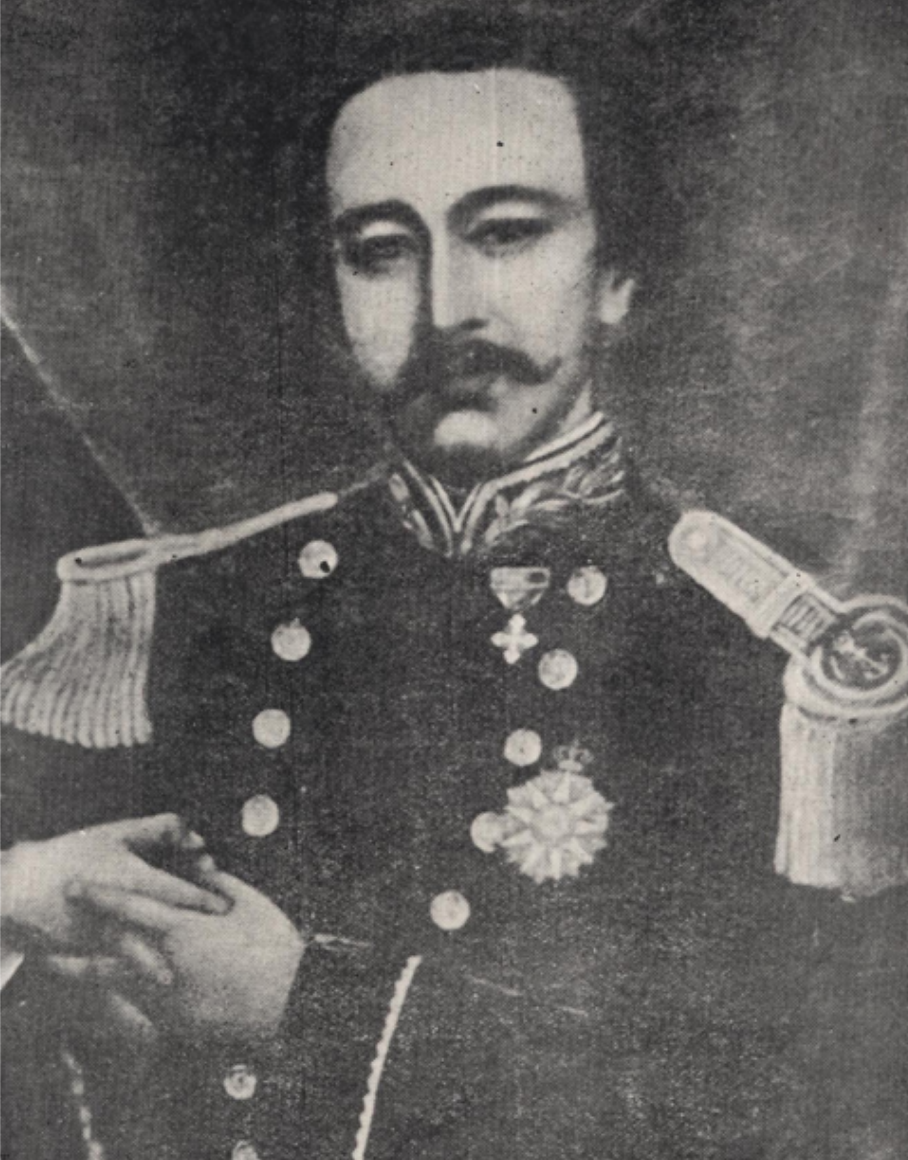
Macao native, entrepreneur.
His family owned the Praia Grande Palace (Macau Government Palace)
His father Alexandrino António de Melo built the building and leased it to the government in 1875 for a MOP of $24,000 per year.
In 1840, he founded a travel agency, selling tickets for steamships from Hong Kong around the world.
.
HO YIN (1908–1983)
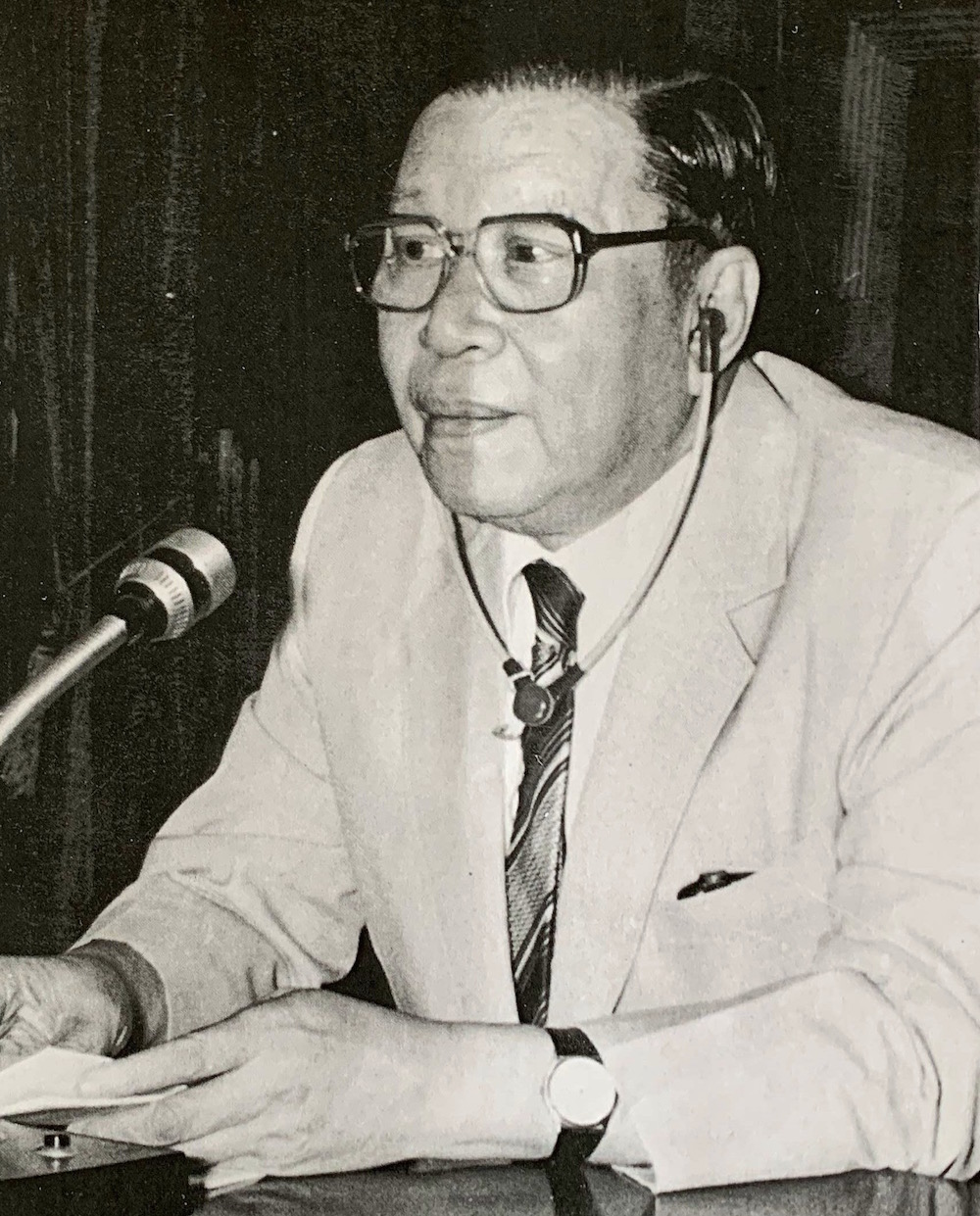
The father of modern Macau, he led it from 1999 to 2009.
The leader of Chinese society in the 20th century in Macau.
The owner of Tai Fung Bank. He was also a lawyer. He helped regulate Pataki’s currency.
There are several streets, parks, monuments in Macau and even an asteroid in his honor.
.
PRIEST MANUEL TEIXEIRA (1912–2003)
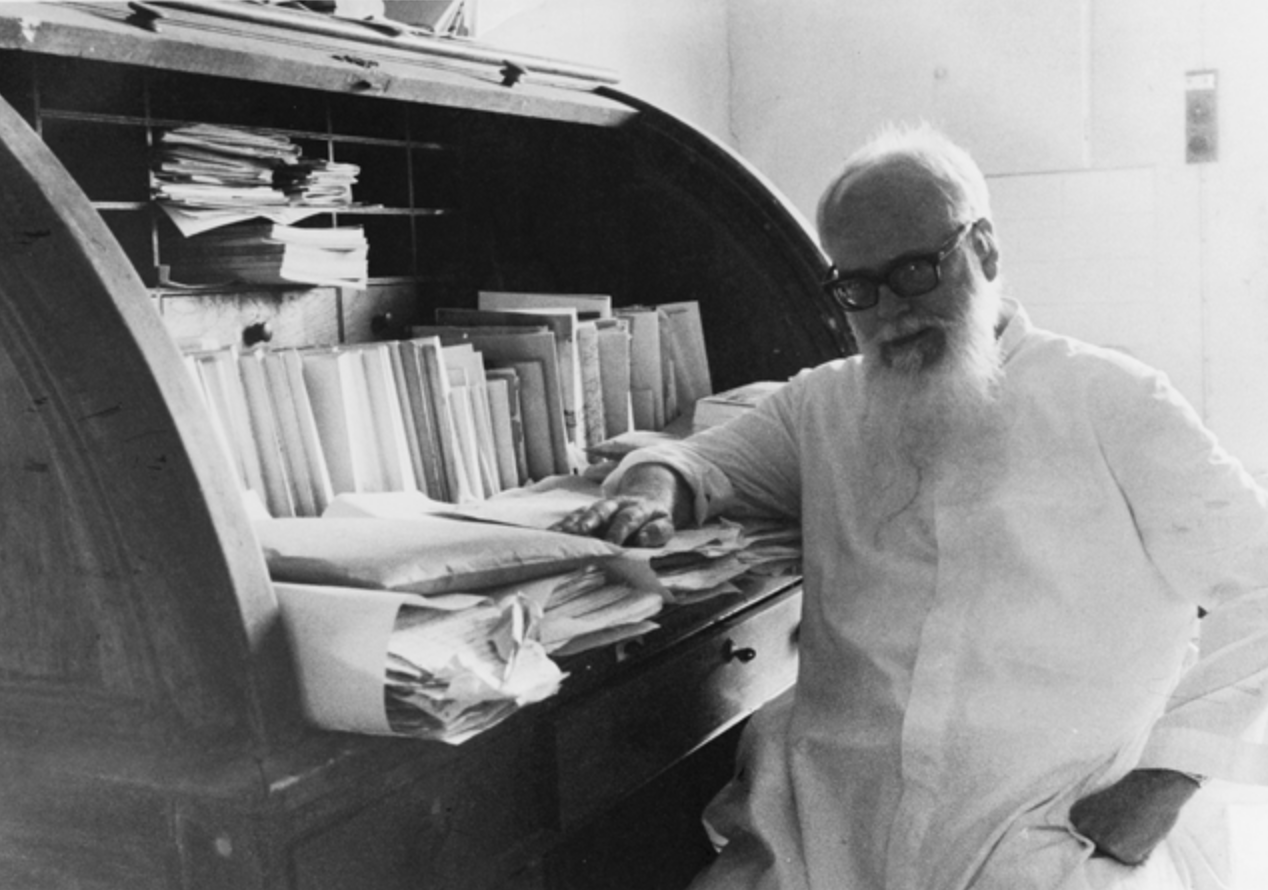
Portuguese priest.
I have collected a large collection of information about the history of Macau in Macau.
He was a co-founder of a Portuguese newspaper. Director of Macao Archives
He has published 123 research books. He taught in educational institutions.
Person of the Year in Macau in 1982. More info HERE
.
MA MAN KEI (1919–2014)
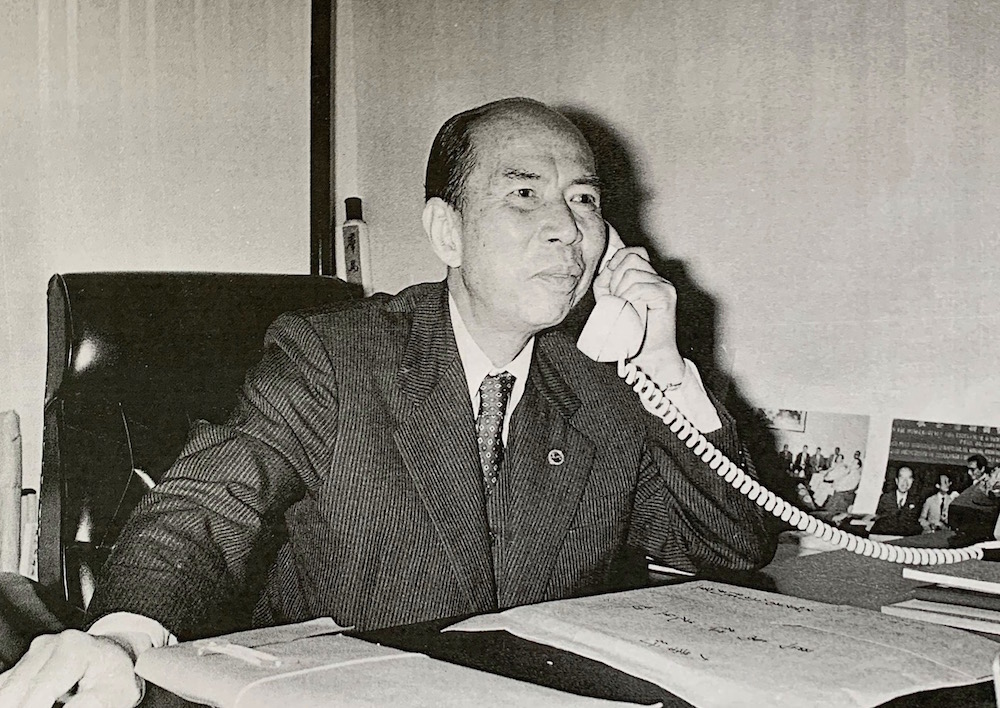
A Chinese entrepreneur who does business in Hong Kong and Macau.
In Macau, he held numerous various positions in various institutions and had influence on government structures within Portugal-Macau.
.
STANLEY HO (1921-2020)
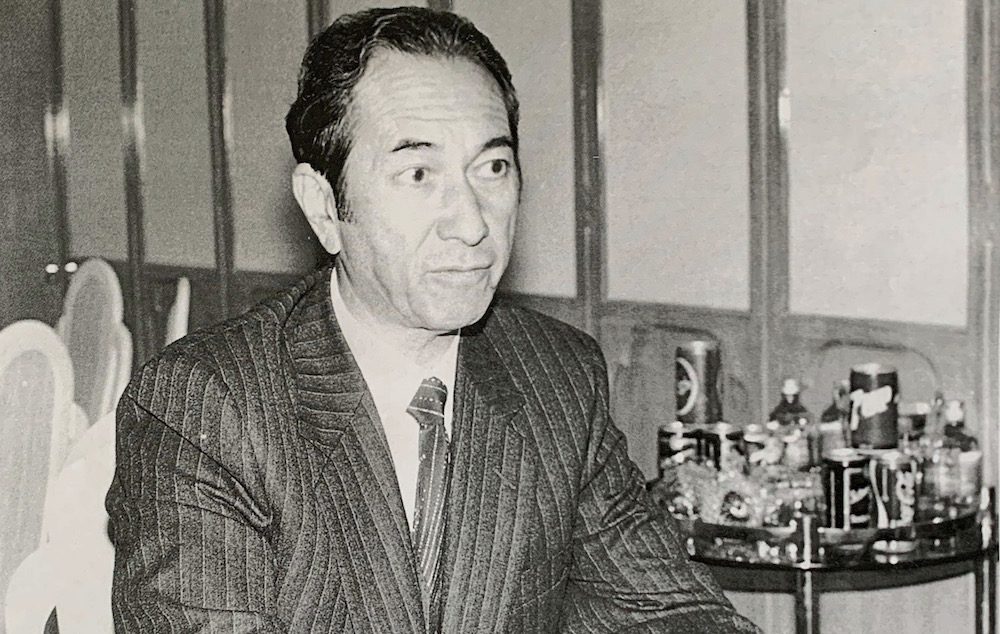
From the age of 24, he sold luxury goods, and then founded a kerosene sales company.
A tycoon who held a monopoly on casinos in Macau from 1962 to 2002.
Co-owner of SJM Group, which owns Lisboa Hotel, Grand Lisboa Hotel, Sofitel Macau At Ponte 16
Bruce Lee’s cousins.
.
FU TAK YAM (1894–1983)
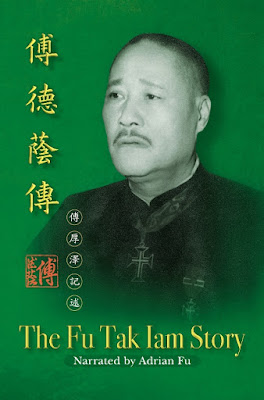
Magnate, with comrade Stanley Ho. He was born with Foshan.
He owned the Central Hotel and built Pier No. 16, which was of great importance at that time.
He founded the Tai Heng Company with Kou Ho-ning, which held a monopoly on casinos from 1937 to 1961.
Co-owner of SJM group (с Ip Hon, Terry Ip Tak Lei, Stanley Ho и Henry Fok)
.
Colonel Nicolau Mesquita
The soldier in whose honor a monument was erected in Macau. More info HERE
.
Alex iurlov – your tour guide in Macau, Hong Kong and China!
+852 68553629 (WhatsApp, Telegram, Wechat)
Wechat id: iurlov
info@macau.su
86 total views, 2 views today